Emergency Water Heater Diagnostics & Same-Day South Suburban Dispatch
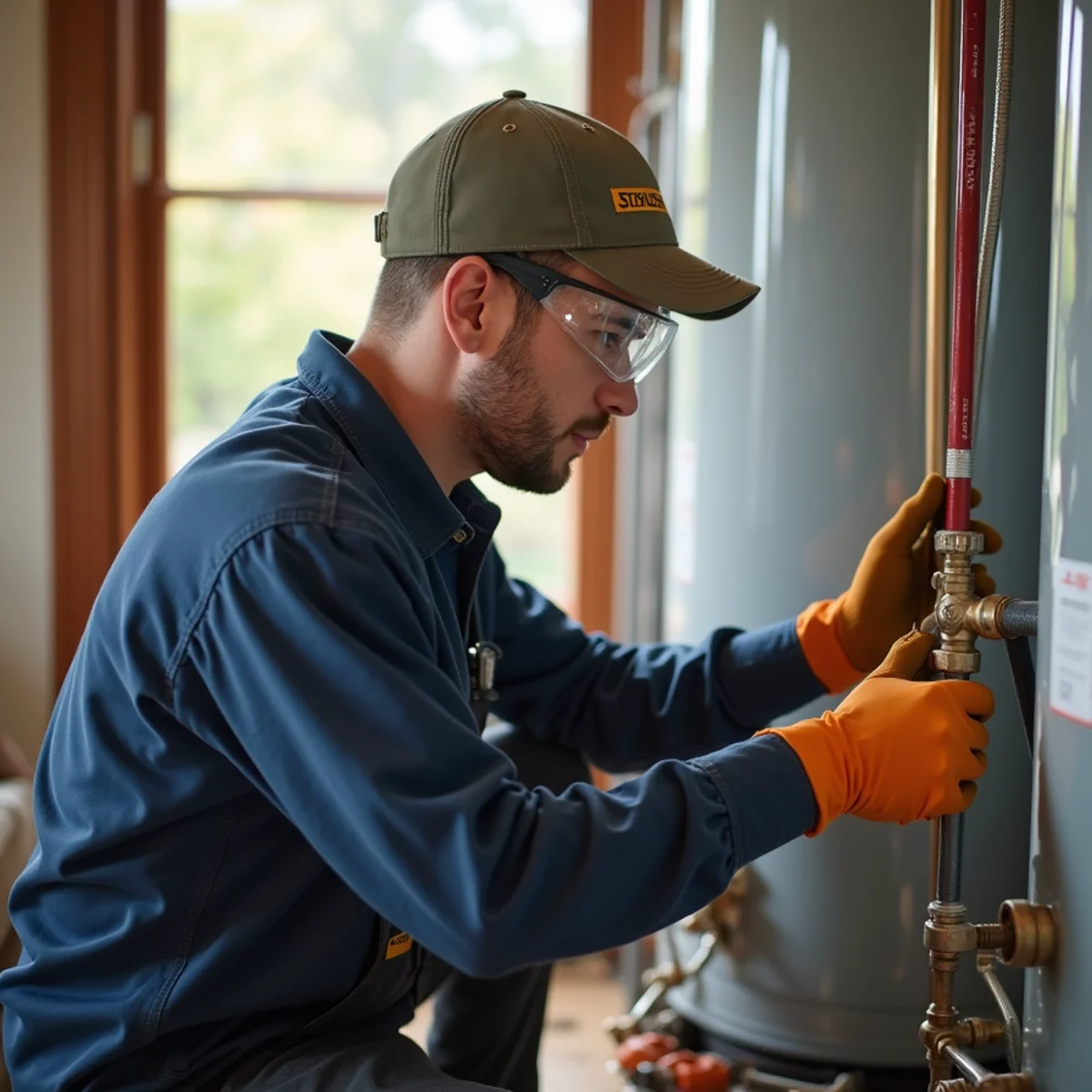
When a residential or commercial water heater fails across Flossmoor, Olympia Fields, Homewood, or Chicago Heights, daily household routines grind to an immediate halt. A cold morning shower, a flooded basement mechanical room, or the pungent aroma of unburned natural gas requires swift, professional intervention rather than guesswork. Central Rodding Total Sewer Service, Inc. provides same-day water heater repair dispatch throughout the southern Cook County and northern Will County corridors. Our licensed service plumbers arrive in mobile workshops stocked with commercial-grade OEM components, universal electric elements, high-limit ECO thermostats, modern hot surface igniters, and calibrated gas control valves. Because our team has served these communities continuously since 1957, we recognize the distinct mechanical quirks of South Suburban basement configurations, crawlspaces, and utility closets. We diagnose the primary root failure on our initial inspection, test all secondary safety mechanisms, and present clear, upfront repair pricing before turning a single wrench.
Lake Michigan Water Hardness, Sediment Calcification & Element Burnout
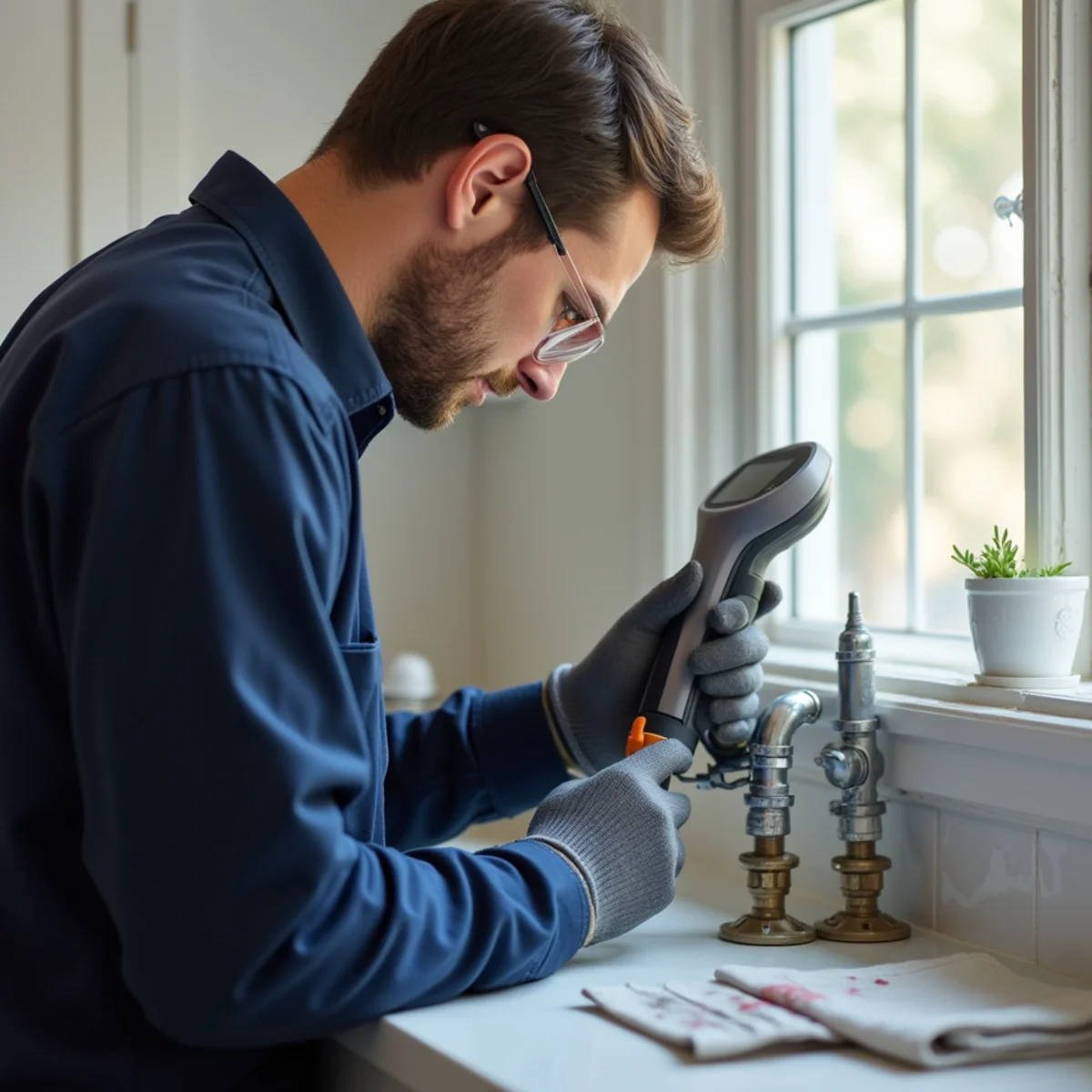
Water supply chemistry throughout the Chicago South Suburbs plays a decisive role in premature water heater failure. Municipal water drawn from Lake Michigan and distributed through regional pumping networks carries an average mineral hardness between 7 and 8 grains per gallon. In neighboring Will County communities utilizing municipal or private deep-aquifer wells, mineral concentrations frequently exceed 15 to 25 grains per gallon. When cold municipal water enters the storage vessel and reaches standard domestic storage temperatures between 120°F and 140°F, dissolved calcium carbonate and magnesium precipitate out of suspension. Over two to four years without scheduled maintenance, these minerals settle into a dense, rock-hard sediment layer at the bottom of the tank. In natural gas water heaters, this calcified layer acts as an insulating thermal blanket between the burner flame and the water column. Trapped moisture beneath the scale boils and erupts, producing unmistakable popping, crackling, or rumbling noises while overheating the bottom steel tank head until structural fatigue occurs. In electric water heaters, the lower heating element becomes buried in calcified sediment, trapping intense thermal energy until the resistance wire burns out. Central Rodding plumbers test heating elements under electrical load with precision digital multimeters, inspect upper and lower thermostats for contact pitting, and utilize high-volume descaling pumps to break up and flush out compacted mineral deposits.
Comprehensive Repair vs. Replacement Guidelines for Homeowners
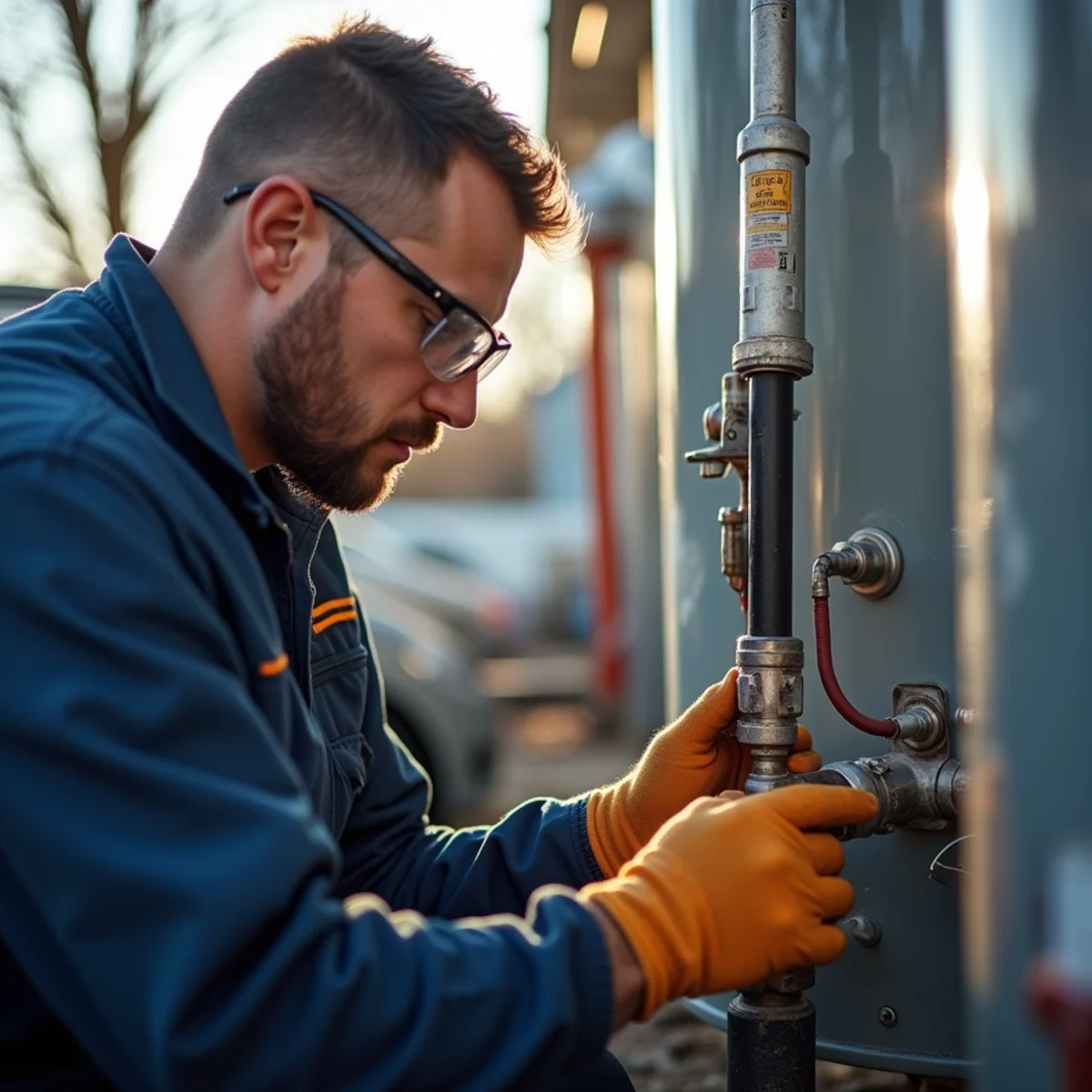
A malfunctioning water heater does not automatically warrant an expensive full-system replacement. Making a sound financial decision requires evaluating the equipment age, overall vessel condition, and repair economics. As a general standard, conventional atmospheric gas and electric storage water heaters have an operational design lifespan of 8 to 12 years in South Suburban conditions. If your water heater is under 8 years of age and the outer tank shell remains bone dry, repairing individual mechanical or electrical components is almost always the most economical course of action. Component replacements—including thermocouples, thermopiles, spark igniters, high-limit emergency cut-off (ECO) thermostats, temperature and pressure relief valves, brass drain valves, and sacrificial anode rods—restore peak factory efficiency at a fraction of the cost of new equipment. Conversely, if your water heater exhibits active dripping or pooling originating from the lower tank seams, circumferential welds, or behind the jacket insulation, the internal glass lining has fractured. Because water pressure quickly tears through corroded steel once the vitreous enamel fails, leaking tank bodies cannot be safely welded or patched under the Illinois Plumbing Code and demand immediate system replacement. If your unit is between 9 and 12 years old and requires a major repair exceeding 50 percent of a new installation quote, our technicians provide side-by-side cost comparisons so you can make the best choice for your budget.
Systematic Five-Stage Water Heater Repair Protocol
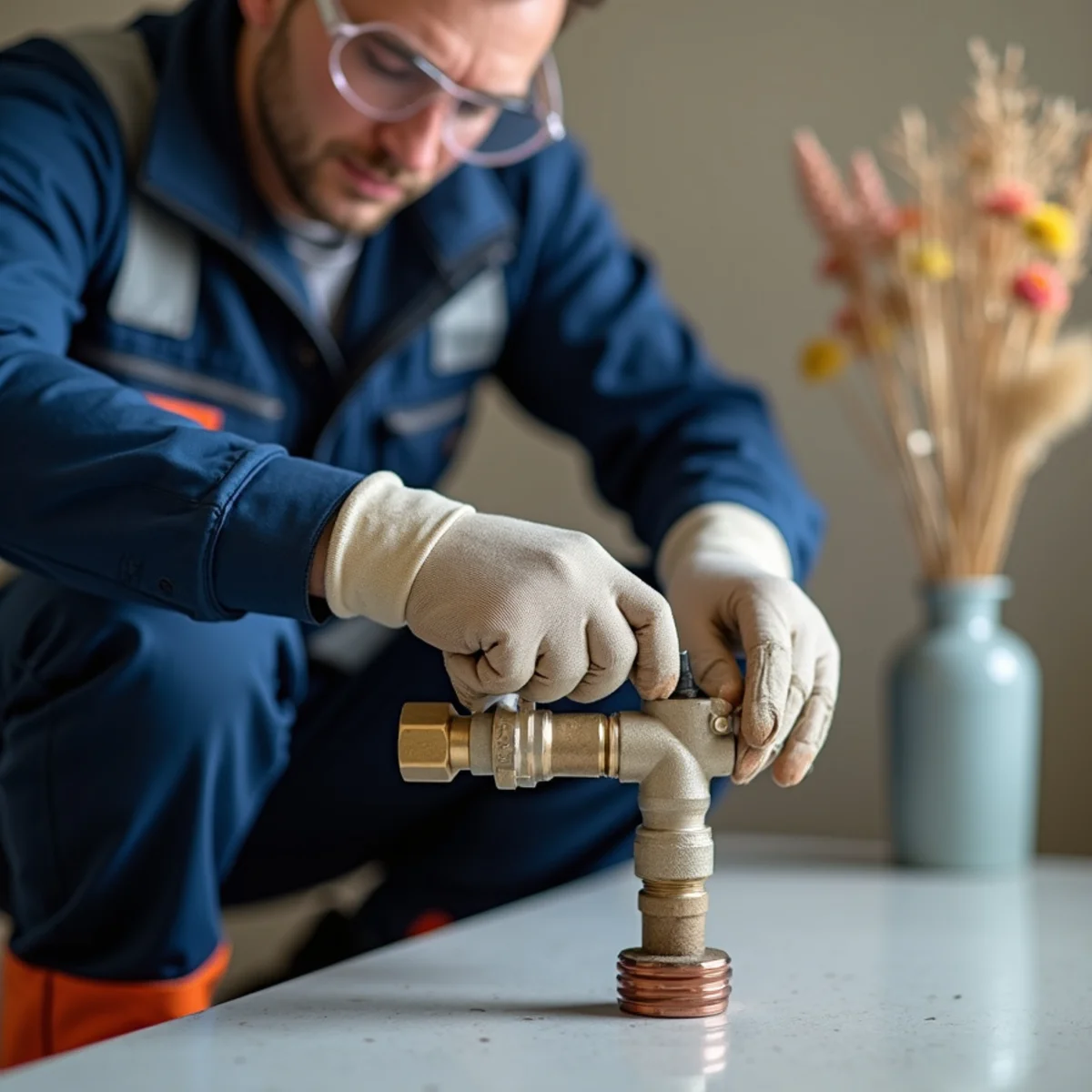
Every water heater repair executed by Central Rodding follows a rigorous, five-stage diagnostic and mechanical standard to ensure absolute household safety and long-term operating reliability. First, we establish site isolation. We test the cold water supply shutoff valve and verify gas supply cock shutoff or electrical breaker isolation, checking for line voltage absence with calibrated non-contact testers. Second, we perform comprehensive thermal and combustion diagnostics. For gas systems, we inspect burner tubes for rust flakes, test thermocouple output in millivolts (targeting 25 to 35 millivolts under open circuit conditions), verify pilot flame impingement, check thermopile millivolt generation on electronic Honeywell status valves, and measure manifold gas pressure. For electric systems, we perform continuity and ohm resistance testing across upper and lower heating elements and evaluate dual-action thermostats. Third, we perform mechanical component extraction and replacement. Defective parts are removed without damaging delicate tank spuds or gas manifolds, replacing worn factory plastic drain valves with full-port brass valves and inserting heavy-duty high-density elements. Fourth, we inspect critical tank protection assemblies, evaluating sacrificial magnesium or aluminum anode rod depletion and checking the thermal expansion tank for bladder rupture. Fifth, we conduct pressurized operational verification. We fire the system to operational setpoint, verify flue draft dynamics with smoke pens to eliminate carbon monoxide backdrafting risks, and test all newly installed connections with non-corrosive gas leak detection fluid.
Regional Cost Variables Across Cook and Will County Communities
Water heater repair investments across Flossmoor and adjacent south suburbs vary according to the specific equipment design, fuel delivery type, and mechanical components requiring service. Minor electrical or ignition repairs—such as swapping a faulty thermocouple, igniter assembly, or upper heating element—typically range from $185 to $375, including diagnostic testing and genuine OEM replacement parts. Intermediate repairs—such as replacing dual heating elements and thermostats, installing an updated commercial brass drain valve, or rebuilding pilot manifold burner assemblies—generally range between $350 and $550. Major repairs—such as replacing proprietary electronic gas control valves, power-vent exhaust blower fan assemblies, or installing a code-compliant thermal expansion tank on a closed municipal system—typically fall between $500 and $900. Unlike transient contractors who quote artificially low phone prices only to add unexpected trip charges or disposal fees upon arrival, Central Rodding provides itemized, transparent pricing before beginning any physical work. Our upfront pricing schedule guarantees that you know the exact scope of labor and parts before we begin.
Flossmoor Municipal Codes, Thermal Expansion & Venting Safety Standards
Plumbing and heating codes in the Village of Flossmoor, Cook County, and Will County mandate strict safety installations designed to protect homeowners against catastrophic thermal explosions, scald hazards, and carbon monoxide poisoning. Modern municipal water systems throughout Flossmoor and neighboring towns incorporate backflow preventers, dual-check valves, or pressure-reducing valves at the utility water meter. These mechanisms transform residential plumbing into closed-loop systems. When cold municipal water heats inside an insulated tank, it naturally expands in volume—a phenomenon known as thermal expansion. In an unmitigated closed system, this hydraulic pressure spikes beyond 100 PSI, placing immense stress on appliance seals, fixture supply lines, and internal tank welds. Central Rodding installs and calibrates code-mandated diaphragm thermal expansion tanks, pumping them to match baseline house static water pressure. Furthermore, we inspect temperature and pressure (T&P) relief valves, ensuring that 3/4-inch copper or CPVC discharge pipes are properly routed downward, terminating between 2 and 6 inches above an approved floor drain without threads, valves, or upward incline. For atmospheric natural gas units, we verify Type B double-wall metal venting clearances, checking vertical rise angles and draft hoods to guarantee complete combustion gas evacuation past the roofline.
Seven Decades of South Suburban Heating & Plumbing Heritage
Since 1957, Central Rodding Total Sewer Service, Inc. has served south suburban families with honest plumbing craftsmanship, uncompromising safety standards, and dependable same-day response. While national corporate consolidators prioritize aggressive sales quotas and push high-margin whole-house equipment replacements at the first sign of trouble, our family-owned philosophy focuses on what is right for the homeowner. If an honest $250 component replacement safely restores hot water to your home for years to come, that is the exact solution we provide. We respect your residence by laying heavy floor protection runners, wearing protective boot covers, and leaving utility rooms immaculate upon job completion. Fully licensed, bonded, and insured throughout Illinois, our master technicians hold an A+ rating with the Better Business Bureau. For dependable, same-day water heater diagnosis and repair anywhere in Flossmoor, Homewood, Olympia Fields, or surrounding South Suburbs, contact our friendly dispatch team at (614) 830-0578.
Part of our Water Heaters Division
Explore complete equipment specifications and related maintenance programs.
Serving South Suburban Property Owners
We provide professional water heater repair across these neighboring communities: