Overhead Sewer Conversion in Flossmoor, IL: Total Basement Flood Protection
For property owners across Flossmoor and the south suburbs, torrential summer thunderstorms and rapid snowmelts frequently trigger severe municipal sewer surcharge. When localized stormwater overburdens public sanitary and combined collection mains near Butterfield Creek and Thorn Creek, hydrostatic pressure forces raw sewage backward through residential laterals. In standard gravity-drained basements, this contaminated wastewater erupts through floor drains, laundry sinks, and lower-level plumbing fixtures, causing catastrophic property damage and mold contamination. Neighborhoods in Flossmoor Estates, near Western Avenue, and throughout the Butterfield Creek drainage basin regularly experience hydraulic backpressure when regional storm runoff overwhelms public conveyance pipes. At Central Rodding Total Sewer Service, Inc., we deliver the gold standard in permanent flood defense: engineered overhead sewer conversion. By raising your home interior sewer exit above ground level, an overhead sewer fundamentally changes how drainage works. Gravity flow from first- and second-floor fixtures exits through elevated ceiling pipes, while basement fixtures drain into a sealed sewage ejector pump basin that lifts wastewater into the overhead line. Operating from 3718 198th St in Flossmoor since 1957, our master contractors provide turnkey conversions that permanently eliminate storm-driven sewer backups, safeguarding your finished basement regardless of municipal street flooding.
How Gravity Drains Back Up: The Mechanics of Municipal Surcharge
Understanding why traditional gravity sewer connections fail during intense storms reveals why overhead conversions are essential for long-term peace of mind. In standard South Suburban home construction built prior to modern flood control ordinances, all household plumbing fixtures drain downward by gravity into a single main lateral buried beneath the concrete basement floor. When intense rainfall inundates municipal sanitary sewers, the water level in the street main rises higher than the basement slab. Basic hydraulic physics dictates that water seeks its own level; consequently, pressurized municipal sewage surges backward through the private lateral, seeking the lowest openings in the home—invariably the basement floor drain or shower pan. In low-elevation blocks, this storm-driven hydraulic head can reach three to six feet above the basement floor level, generating tremendous upward pressure that easily dislodges mechanical floor drain plugs. Even homes located on relatively high ground experience sewer backups if municipal mains downstream encounter bottlenecks, power failures at regional lift stations, or capacity limits. An overhead sewer system eliminates this vulnerability by severing the direct below-slab gravity connection between your home fixtures and the municipal sewer main, ensuring that storm surge in the street cannot physically reach your basement floor.
Overhead Sewers vs. Backwater Valves: Engineering Comparison
Homeowners researching basement flood prevention frequently evaluate the differences between mechanical backwater valves and comprehensive overhead sewer conversions. While an underground backwater valve is a less expensive preliminary measure, it relies on a mechanical swing flapper or gate designed to close when wastewater flows backward. In real-world field conditions, solid debris, toilet paper, sanitary products, or calcified grease can easily lodge beneath the flapper, preventing it from forming a watertight seal during an emergency. Furthermore, backwater valves require frequent manual cleaning and quarterly chamber inspections to remove accumulated solids. When a backwater valve closes during a storm, the homeowner cannot use any water inside the house, or their own drainage will flood the basement. Furthermore, backwater check valves are vulnerable to sewer gas pressure differentials that can force foul odors past compromised seals. In contrast, an overhead sewer conversion provides absolute, foolproof protection governed by physics rather than mechanical flappers. Upper-level waste lines exit through the foundation wall near the basement ceiling joists, well above the street flood level, while dedicated vent stacks maintain continuous atmospheric pressure release. Even if the municipal sewer line under the street surcharges completely to the ground surface, sewage cannot climb high enough to escape through overhead pipes, allowing upper-floor bathrooms to remain fully usable during storms.
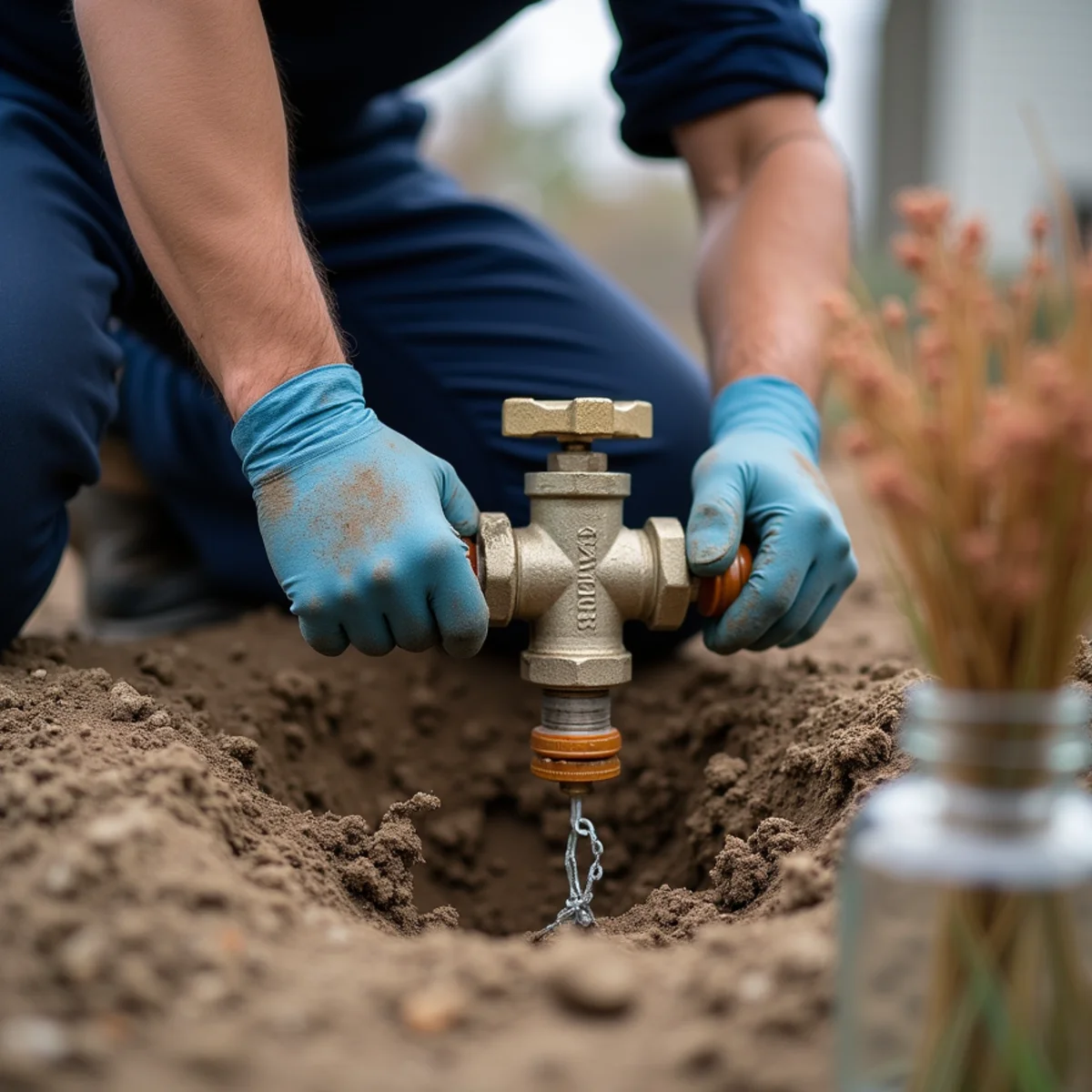
Our 5-Stage Overhead Sewer Conversion & Flood Control Engineering Process
Central Rodding Total Sewer Service, Inc. executes residential overhead sewer conversions through a rigorous five-stage engineering process designed for structural durability and quiet operation. Stage one begins with comprehensive site surveying, elevation calculation, laser transit slope grading, and municipal permit acquisition from the Flossmoor Building Department. Stage two involves reconfiguring main drainage stacks: our licensed technicians disconnect upper-floor waste lines from the below-slab system, re-routing them into heavy-duty Schedule 40 PVC collector pipes suspended securely from basement ceiling joists with sound-dampening rubber-insulated steel riser clamps. Stage three is slab excavation and ejector pit installation. We saw-cut a dedicated section of the basement floor, excavate native clay soil, and install a heavy-duty, gas-tight polyethylene ejector basin bedded in washed pea gravel. Stage four entails pump installation and mechanical piping: we install a commercial-grade submersible sewage ejector pump, dual inline check valves, emergency shutoff ball valves, and a dedicated two-inch vent stack penetrating through the roofline. Stage five concludes with electrical control wiring, auxiliary battery backup integration, municipal inspection, and concrete slab restoration finished smooth to match your basement floor.

System Components: Sewage Ejectors, Battery Backups & Dual Check Valves
A resilient overhead sewer conversion relies on commercial-grade mechanical and electrical components engineered to withstand continuous duty. Central Rodding installs premium cast-iron submersible solids-handling ejector pumps (such as Zoeller or Liberty systems) featuring non-clogging vortex impellers capable of passing two-inch spherical solids without jamming. Powered by high-torque 1/2-horsepower motors with integrated thermal overload protection, these pumps handle full laundry, bathroom, and greywater discharges effortlessly. The pump resides inside a sealed, heavy-wall poly basin secured with a structural gasketed lid to prevent sewer gas escape. We install heavy-duty dual spring-loaded silent check valves in series along the vertical discharge pipe, equipped with true-union disconnect fittings for tool-free servicing, which eliminate loud water hammer clatter and prevent pumped wastewater from draining backward into the basin. To address severe weather power outages—which frequently coincide with torrential rain storms—we integrate heavy-duty battery backup inverter systems or secondary auxiliary pumps equipped with deep-cycle marine batteries. These systems automatically engage the instant utility electrical power drops, maintaining continuous pumping capacity for up to forty-eight hours of severe storm activity. High-water audible alarms and wireless smart monitors alert homeowners immediately if liquid levels rise unexpectedly.
Investment Costs, Municipal Rebates & Village of Flossmoor Permitting
An overhead sewer conversion is a substantial capital improvement that dramatically increases property value, provides lasting peace of mind, and eliminates recurring insurance claims. In Cook and Will counties, professional overhead sewer installations typically range between $7,500 and $14,000 depending on home layout, the number of basement fixtures, and electrical panel distance. Many property casualty insurance providers also offer annual premium discounts or remove high-deductible basement water backup riders once an overhead system certified by an IDPH-licensed contractor is documented. To encourage flood resilience, many South Suburban municipalities—including the Village of Flossmoor, Homewood, and surrounding towns—periodically offer private property flood-control cost-share rebate programs. These municipal initiatives often reimburse qualifying homeowners fifty percent of project expenses, typically up to $3,000 to $5,000. Central Rodding assists property owners throughout the grant application process, providing detailed line-item contracts, engineering diagrams, and post-installation municipal sign-offs required for rebate disbursement. All work is executed under active Illinois Department of Public Health (IDPH) plumbing licensing, backed by our $10,000 municipal surety bond filed with Village Hall at 2800 Flossmoor Road, ensuring full compliance with local municipal building departments.
Why South Suburban Homeowners Trust Central Rodding for Flood Control Since 1957
For sixty-nine years, Central Rodding Total Sewer Service, Inc. has been the trusted authority in south-suburban sewer systems and flood control engineering. Established in 1957 by James, Patricia, and Laurie Hepworth and recognized in The Blue Book of Building and Construction since 1958, our company is owned and operated by master plumbing contractor James Hepworth and senior technician Wayne. We possess unmatched familiarity with regional stormwater flow patterns, soil moisture dynamics, and municipal infrastructure across Flossmoor, Homewood, and Olympia Fields. While outside plumbing contractors treat flood control as generic pipefitting, Central Rodding approaches every home with custom structural engineering. We maintain an accredited A+ rating with the Better Business Bureau with zero consumer complaints. When you partner with Central Rodding, you receive transparent upfront pricing, clean and respectful job-site conduct, and a permanent flood control system installed by genuine local craftsmen who stand behind their work with comprehensive structural warranties. Our dispatch trucks roll directly from 3718 198th St, ready to protect your home with lasting engineering excellence.
Part of our Sewer Services Division
Explore complete equipment specifications and related maintenance programs.
Serving South Suburban Property Owners
We provide professional overhead sewer & flood control across these neighboring communities: