
Immediate First Steps: Shutting Off the Cold Water Supply Valve
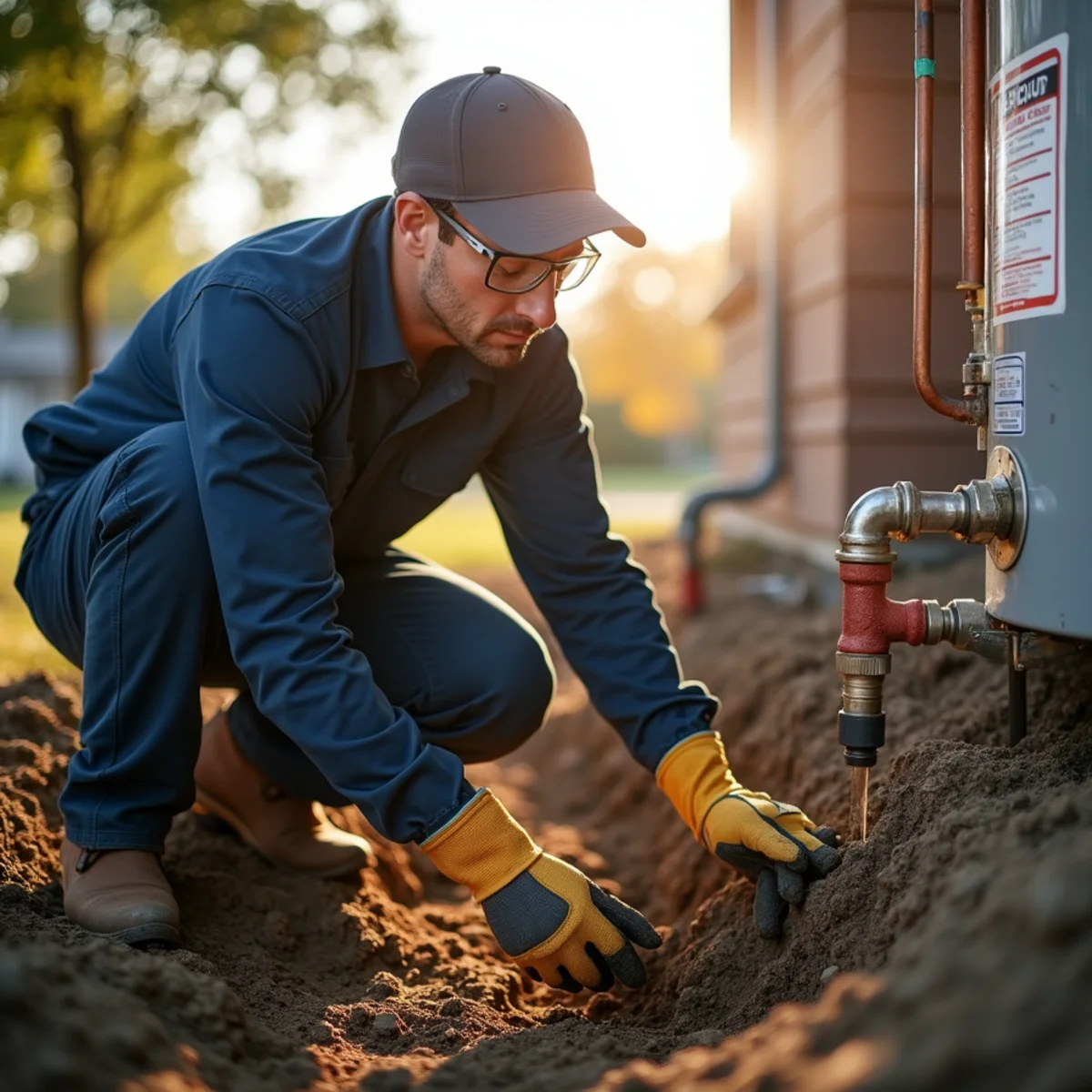
If you discover water pooling around the base of your residential water heater, your immediate priority is to locate and close the dedicated cold water supply valve on the top inlet pipe, shut off the heating energy source (natural gas or electricity), and inspect the tank to locate the specific origin of the leak. In standard South Suburban homes, a water heater tank holds forty to eighty gallons of pressurized domestic water continuously fed by municipal water mains at 50 to 80 PSI. If an internal weld fractures or a bottom tank seam ruptures, municipal water pressure will continuously pump hundreds of gallons of scalding water across your basement floor until the cold water inlet valve is closed. Look above the water heater on the cold water line (usually marked with a blue ring or entering on the right side) for a brass gate valve with a round wheel handle or a modern quarter-turn ball valve. Turn the wheel clockwise until firmly seated, or rotate the ball valve lever ninety degrees perpendicular to the pipe to halt incoming pressurized water immediately.

Cutting Power Safely: Gas Control Valves vs. 240-Volt Electric Breakers
After isolating incoming water pressure, immediately shut off the unit's heating fuel source to prevent dry-firing, gas leaks, or electrical shock hazards. If your water heater is an electric model, never touch the unit while standing in pooled water. Walk to your home's main electrical circuit breaker panel and locate the dedicated 240-volt double-pole breaker (typically labeled 'Water Heater' with 30-amp ratings) and switch it firmly to the OFF position. Electric heating elements will burn out within seconds and create electrical fire risks if energized without being fully submerged in water. If your unit is natural gas, locate the thermostat gas control valve on the lower front of the tank. Turn the central control knob clockwise from the ON position to PILOT, or switch it completely to the OFF position. For complete safety, also locate the dedicated inline gas shut-off valve on the black iron gas pipe feeding the appliance and rotate the handle perpendicular to the pipe run.
Diagnosing the Leak Location: External Fittings vs. Catastrophic Tank Failure
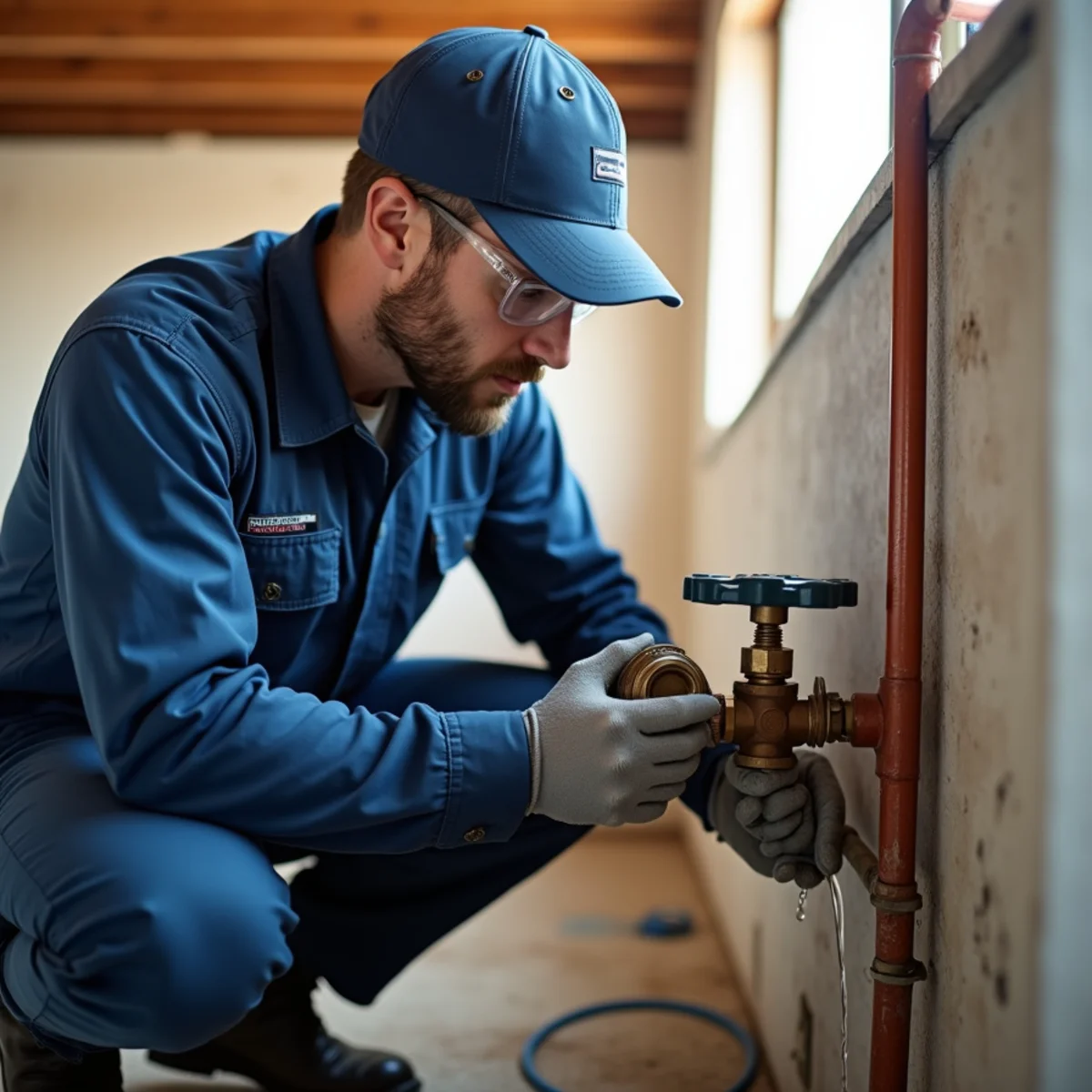
Determining precisely where water is escaping from the water heater dictates whether the appliance can be economically repaired by a licensed plumber or must be completely replaced. Carefully dry the exterior tank jacket and plumbing fittings with towels, and use a bright flashlight to inspect three distinct zones: the top plumbing connections, the side temperature and pressure relief valve, and the bottom perimeter seam. Water pooling on the floor does not automatically indicate that the tank has failed. Leaks occurring at top fittings, such as threaded dielectric unions, brass shut-off valves, or copper flex connectors, will drip down the outside of the steel jacket or travel beneath the fiberglass insulation layer, accumulating at the base and deceptively masquerading as a catastrophic internal tank rupture. Identifying the true point of origin prevents the premature disposal of a perfectly serviceable water heater.
The Temperature & Pressure (T&P) Relief Valve: Safety Function & Symptoms
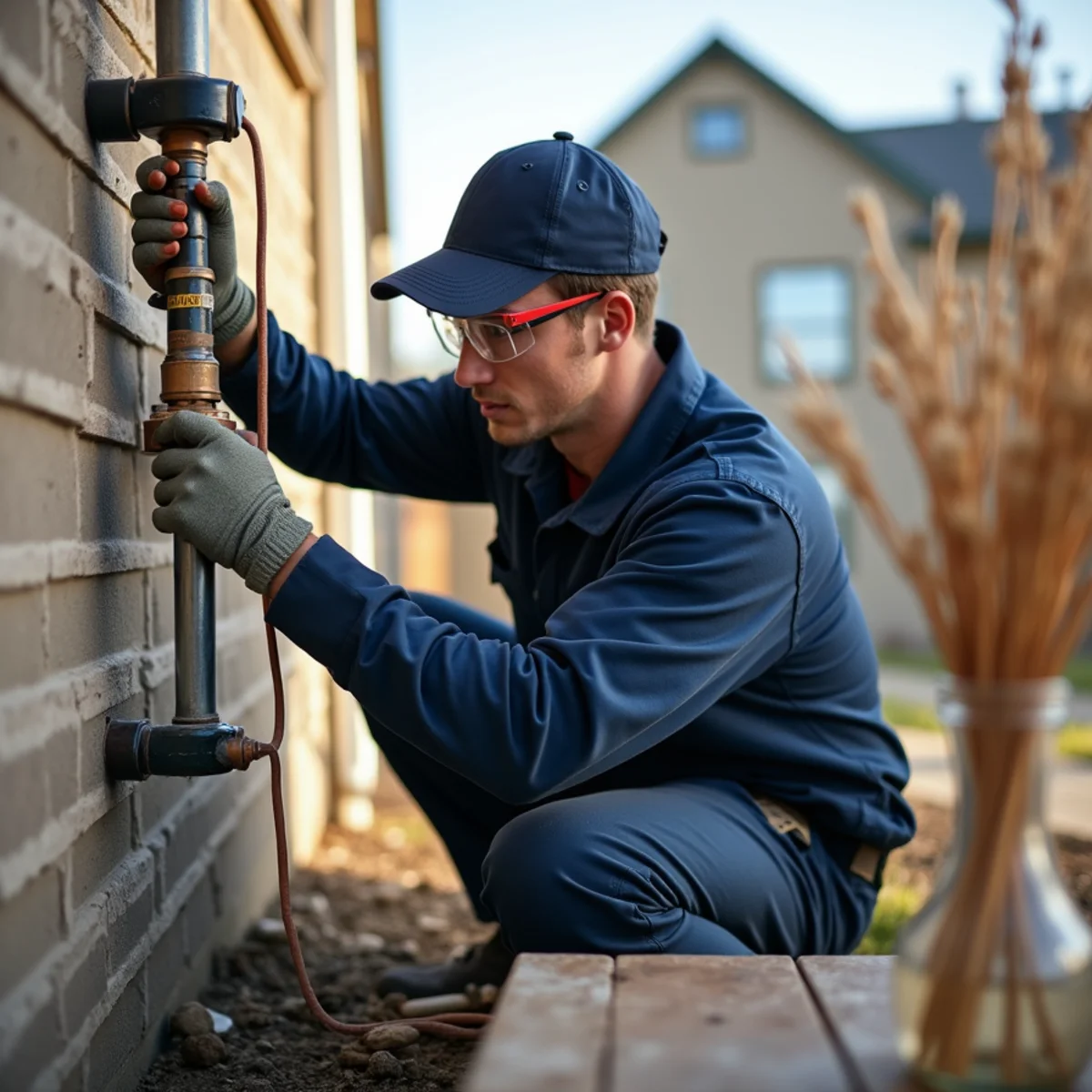
Located on the upper side or top of every water heater is the Temperature and Pressure (T&P) relief valve, a critical life-safety device engineered to prevent the water heater from becoming an explosive pressure vessel. If the thermostat fails and internal water temperature exceeds 210 degrees Fahrenheit, or if hydraulic line pressure exceeds 150 PSI, the spring-loaded T&P valve automatically opens to vent superheated steam and water through a downward-directed discharge pipe. If water is dripping or gushing from the bottom of this vertical discharge pipe terminating near the floor, determine whether the valve itself has failed due to mineral buildup, or if your plumbing network is experiencing dangerous thermal expansion. In closed plumbing systems with backflow preventers or check valves, heating water expands without room to escape, elevating line pressure until the T&P valve discharges. Installing an ASME-rated thermal expansion tank on the cold line permanently resolves this issue.

Top-Mounted Flex Connectors, Dielectric Unions & Shut-Off Valves
Plumbing connections entering the top of the water heater tank are subject to relentless thermal expansion cycles, vibration, and galvanic corrosion. In many older South Suburban residences, copper distribution pipes were soldered directly into the water heater's threaded steel spuds without installing dielectric unions. Over years of operation, the direct contact between dissimilar metals (copper and steel) generates galvanic electrochemical reactions that corrode the steel threads into brittle rust crusts, causing pinhole leaks. Additionally, aged rubber washers inside flexible corrugated stainless steel or copper flex connectors degrade over five to seven years, allowing pressurized water to spray from top nuts. These external connection failures are completely repairable: a licensed plumber can replace faulty flex lines, install new lead-free dielectric unions, and rebuild shut-off valves without replacing the water heater tank itself.
Internal Tank Corrosion: Why Bottom Leaks Cannot Be Repaired
If your inspection reveals that water is oozing directly from the lower combustion chamber, dripping from beneath the bottom metal jacket seam, or seeping out around the lower heating element access panel, the internal glass-lined steel tank has suffered irreversible catastrophic corrosion. Modern residential water heaters feature a heavy steel tank lined with a thin porcelain glass enamel designed to isolate water from raw steel. Over years of thermal expansion and contraction, microscopic fissures develop in this brittle glass lining, exposing the steel vessel to oxygenated water. Once water penetrates the steel shell, internal rusting accelerates rapidly until a pinhole fracture breaches the outer jacket. Because the internal pressure vessel operates under continuous 60 to 80 PSI municipal pressure, welding or patching a rusted tank is mechanically impossible and illegal under the Illinois Plumbing Code; immediate unit replacement is the only safe solution.
Hard Water Scaling in South Suburban Cook & Will Counties
Water chemistry across the Chicago South Suburbs plays a profound role in premature water heater failure. Municipal water supplies derived from Lake Michigan or deep underground wells throughout Will County contain moderate to high levels of dissolved calcium and magnesium carbonates (water hardness ranging from 7 to 15 grains per gallon). When hard water is heated to standard domestic temperatures (120 to 140 degrees Fahrenheit), these dissolved minerals precipitate out of solution, settling to the bottom of the tank as heavy limestone sediment. Over several years, this calcified sediment layer can accumulate four to six inches deep, acting as an insulating blanket between the gas burner flame and the water above. The steel bottom overheats severely, boiling water trapped beneath the scale crust with loud popping or rumbling noises, which dramatically accelerates thermal metal fatigue and premature tank failure.
Emergency Tank Draining Procedure: Preventing Catastrophic Water Damage
If an internal tank leak is confirmed and water continues to pool, draining the remaining forty to fifty gallons of water from the vessel mitigates further structural water damage while you wait for replacement installation. First, connect a standard heavy-duty 3/4-inch garden hose to the brass or plastic drain valve located at the bottom front of the water heater tank. Route the opposite end of the hose to a nearby basement floor drain, utility sink sump crock, or outside onto a driveway. Ensure the cold water inlet valve on top of the tank is closed, and open the drain valve using a flat-head screwdriver or small wrench. To allow air to enter the tank and break the internal hydraulic vacuum, lift the test lever on the upper T&P relief valve or open a hot water faucet on an upstairs sink. Water will drain freely through the hose, completely emptying the tank.
Repair vs. Replace Economics: The 10-Year Tank Rule
When evaluating water heater repair options, applying the professional ten-year rule provides clear economic guidance. The average service life of a standard residential atmospheric gas or electric water heater in northern Illinois is eight to twelve years. If your unit is less than six years old and the leak originates from an external component—such as a T&P relief valve, drain valve, heating element gasket, or dielectric union—performing a professional component repair is cost-effective and preserves the remaining lifespan of the appliance. However, if the water heater is eight years of age or older, or if the steel tank itself is leaking, investing in repairs is economically unsound. Replacing the aging unit with a high-efficiency model eliminates the imminent risk of total tank rupture, restores optimal energy efficiency, and provides warranty peace of mind.
Selecting Professional Replacement Units: Bradford White Commercial Quality
When selecting a replacement water heater for your South Suburban property, choosing an industrial-grade brand installed by licensed trade professionals ensures vastly superior longevity compared to retail units sold at big-box department stores. Retail water heaters frequently incorporate cost-cutting components, including plastic drain valves that easily shear off, thin interior glass coatings, and basic aluminum sacrificial anode rods. Professional plumbing contractors exclusively install commercial-grade units manufactured by industry leaders like Bradford White. These American-made water heaters feature solid brass full-port drain valves, heavy-duty Vitraglas enamel tank linings, Hydrojet total-performance cold water dip tubes that scour sediment automatically, and robust magnesium sacrificial anode rods engineered to resist South Suburban water chemistry for over a decade.