
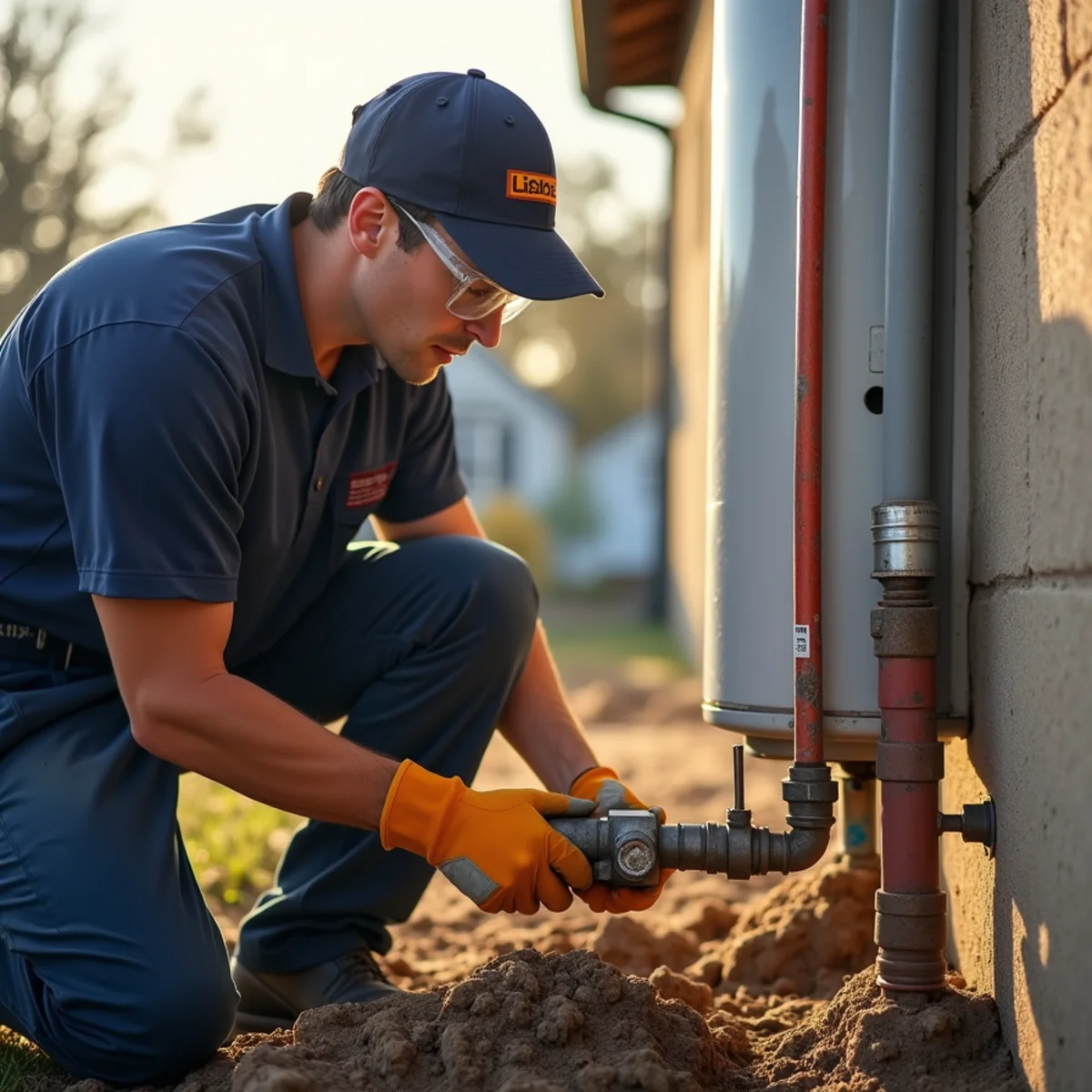
Immediate Life-Safety Protocol: Evacuate the Premises Immediately
If you detect a distinct rotten-egg or sulfur smell near your gas water heater, immediately evacuate all occupants and pets from the building, leave the entry door open behind you to ventilate the space, and call Nicor Gas, Peoples Gas, or 911 from a safe distance outdoors. Natural gas is an invisible, odorless fossil fuel comprised primarily of methane; utility providers deliberately inject a harmless chemical odorant called mercaptan (which smells like rotting eggs or decaying cabbage) so that human occupants can immediately detect microscopic leaks before flammable concentrations accumulate. In enclosed spaces like basement mechanical rooms or utility closets, escaping gas quickly mixes with atmospheric oxygen. If the air-to-gas concentration reaches the lower explosive limit (LEL) of approximately 5%, any minor ignition source can spark a catastrophic structural explosion. Treat any natural gas odor as an immediate life-safety crisis. The lower explosive limit (LEL) for natural gas in ambient air is approximately 5% by volume. Even a relatively minor gas accumulation inside a closed furnace room can reach this threshold in less than an hour.

Critical Actions You Must Never Take When Smelling Gas Indoors
When evacuating a property with an active natural gas odor, understanding what NOT to do is just as critical as leaving the building. Do not flip any electrical light switches on or off, do not unplug appliances, do not ring doorbells, and do not use landline phones or cellular devices inside the home. Every mechanical light switch, electrical outlet, and relay contact produces a microscopic electrical arc (spark) inside its housing when toggled; in an environment with pooled gas, this micro-spark is more than sufficient to detonate an explosion. Furthermore, never strike matches, light cigarettes, or use open flame lighters. Do not start cars in an attached garage, do not operate garage door openers, and do not attempt to open windows if doing so requires remaining inside the gas-contaminated space. Simply drop what you are doing and walk immediately outside into fresh air.
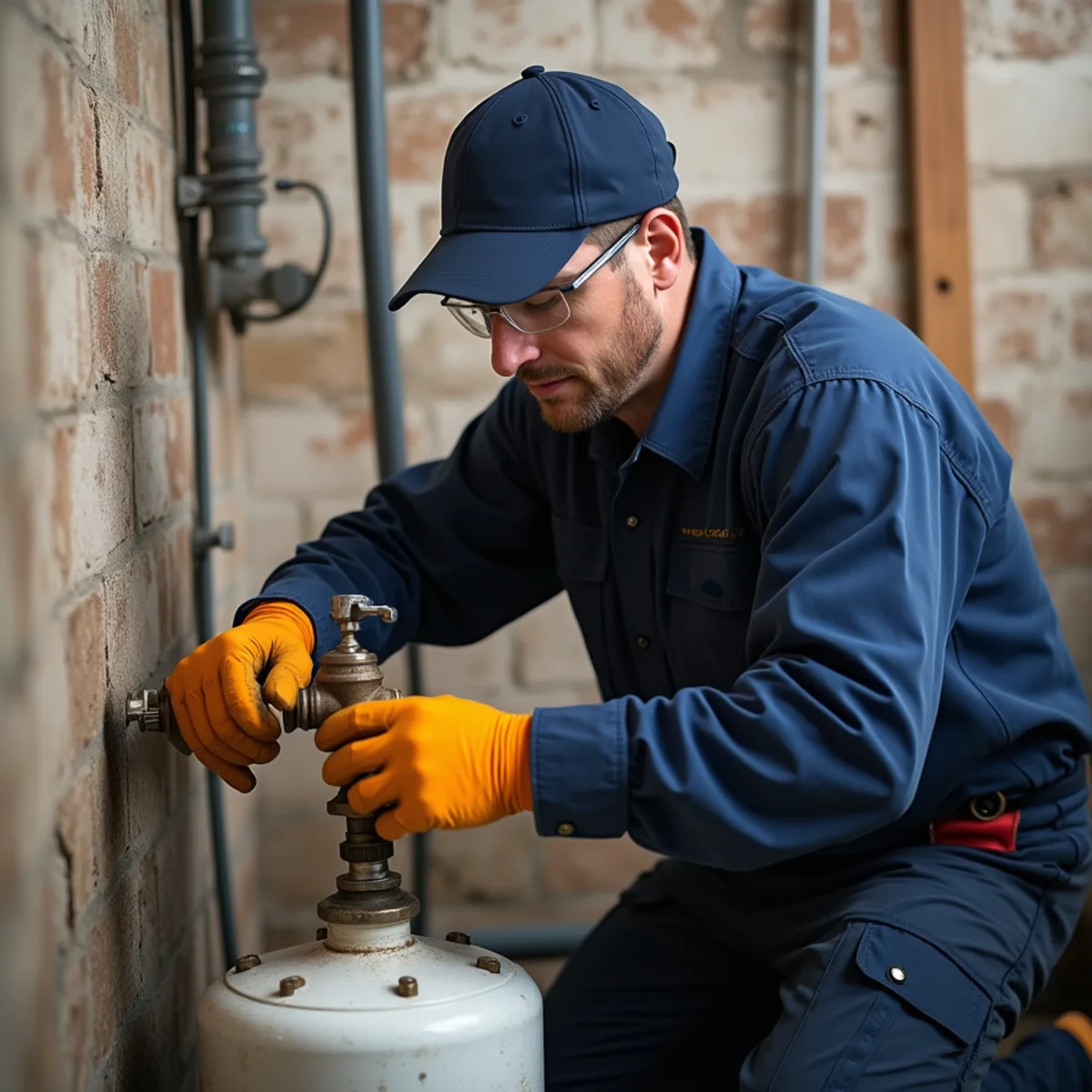
Contacting Emergency Dispatch: Nicor Gas, Peoples Gas, and 911
Once you and your family have safely reached an exterior location at least one hundred feet away from the building, use your mobile phone to contact emergency responders. Homeowners across the Chicago South Suburbs receive natural gas service from Nicor Gas (1-888-642-6748) or Peoples Gas in Chicago and border Cook County neighborhoods (1-800-401-6352). Dial 911 immediately if the gas odor is intense, hissing sounds are audible, or any occupant exhibits symptoms of dizziness, headaches, or nausea. Utility emergency response teams deploy 24 hours a day, 365 days a year with specialized electronic gas-sniffing equipment. Utility technicians will arrive on site rapidly, test the perimeter atmosphere, shut off the gas supply at the exterior gas meter if necessary, and declare whether the structure is safe for occupancy before private repair work begins.
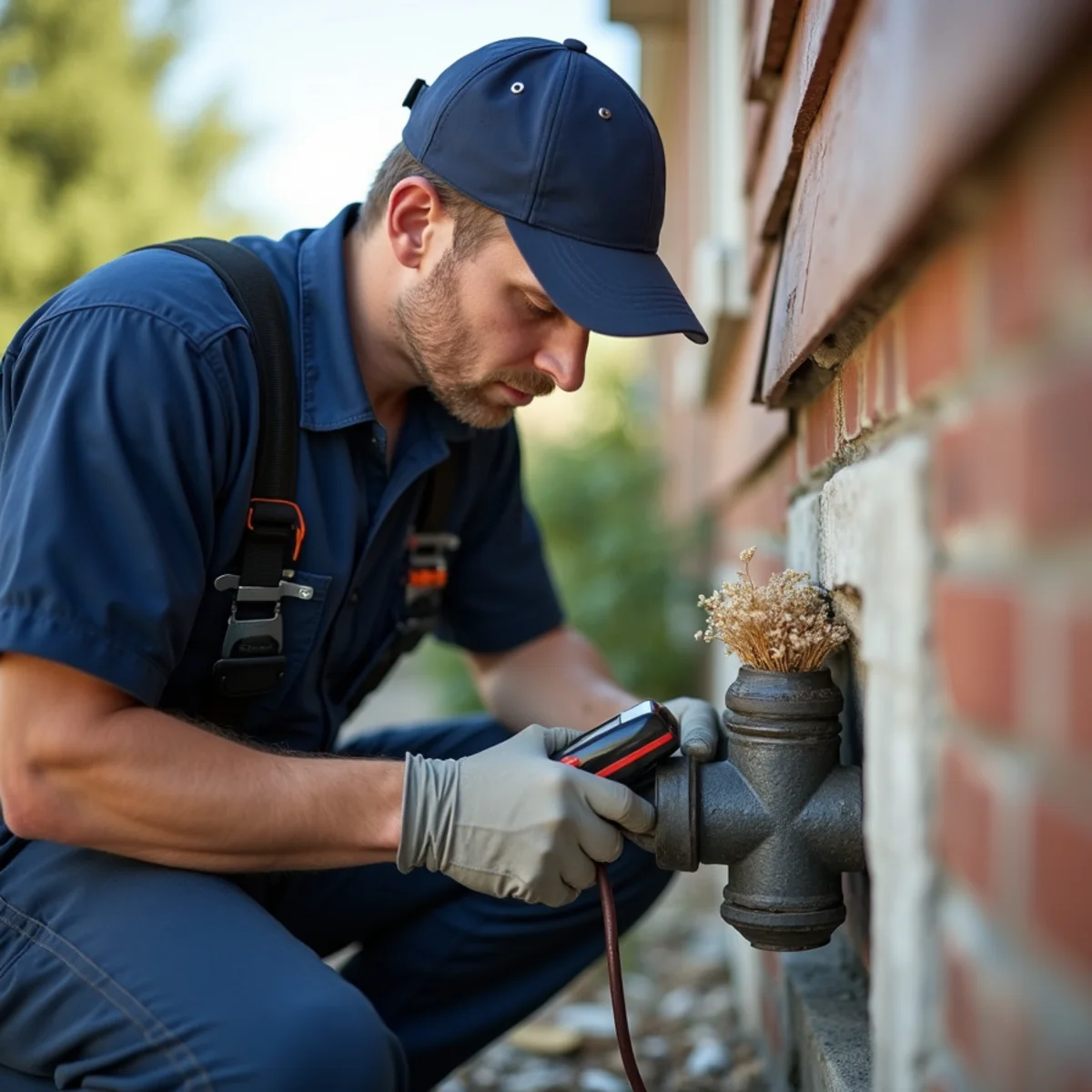
Identifying the Source: Pilot Light Outages vs. Active Line Leaks
Once utility technicians or licensed plumbing contractors have cleared the structure for investigation, determining the precise mechanical source of the gas odor is the next essential step. In older atmospheric water heaters featuring standing pilot lights, a sudden draft, thermocouple failure, or gas pressure dip can extinguish the pilot flame. Modern gas control valves incorporate internal safety shut-off mechanisms designed to cut pilot gas within sixty seconds of flame loss, but small residual quantities of odorant can linger near the burner chamber. Conversely, an active gas leak originates from physical defects in the gas supply piping network: loose flare fittings, cracked iron unions, deteriorated pipe dope seals, or microscopic pinholes in corrugated flexible connectors. A continuous, sharp sulfur odor indicates an active, pressurized supply leak that requires professional mechanical repair. Modern Honeywell and White-Rodgers gas control valves incorporate an LED diagnostic indicator light on the front panel that blinks distinct flash codes to identify pilot outages, weak millivoltage, or high-temperature sensor lockouts.

Flexible Corrugated Gas Connectors & Sediment Traps (Drip Legs)
The physical piping connections feeding your water heater must comply with strict mechanical standards to prevent stress fractures and gas leaks. In many older South Suburban residences, water heaters were connected using uncoated brass corrugated flexible connectors manufactured prior to 1995. These vintage connectors are notorious for developing catastrophic stress corrosion fractures along their corrugation folds when moved or bumped during routine maintenance. Modern building codes require high-grade, epoxy-coated stainless steel flexible gas connectors engineered for thermal expansion and seismic resilience. Furthermore, the Illinois Plumbing Code and national fuel gas codes mandate the installation of a sediment trap (drip leg) on the black iron pipe immediately upstream of the gas control valve. This vertical nipple and cap trap collects metal shavings, pipeline scale, and moisture before they can foul delicate gas valve orifices. Corrugated stainless steel tubing (CSST) connectors must be stamped with ANSI Z21.24 certification; older unbranded brass flex lines manufactured before 1995 must be replaced immediately because they are prone to spontaneous stress cracking.
Thermocouple & Thermopile Failures on Standing Pilot Water Heaters
In atmospheric gas water heaters, the thermocouple or thermopile acts as the primary safety sensor for the standing pilot light. A thermocouple is a bimetallic probe positioned directly in the pilot flame; when heated, it generates a tiny millivolt electrical current (approximately 25 to 30 millivolts) that energizes an electromagnetic coil inside the gas control valve, holding the internal safety valve open. If the pilot flame blows out, or if the thermocouple tip becomes coated with carbon soot or oxidizes from age, voltage drops to zero within thirty seconds, causing the safety valve to snap shut under spring tension to prevent unburned gas from filling the combustion chamber. If the thermocouple fails mechanically while the internal magnet sticks, gas can slowly seep into the room. A licensed technician can test thermocouple millivoltage using a digital multimeter and replace faulty sensors in minutes.
Flue Vent Backdrafting & Hazardous Carbon Monoxide (CO) Accumulation
While mercaptan odor signals natural gas, incomplete combustion or obstructed water heater exhaust flues produce an even more dangerous hazard: odorless, colorless, and lethal carbon monoxide (CO) gas. In atmospheric water heaters, hot combustion gases rise through the center flue baffle and vent outdoors via natural draft through a metal chimney pipe or masonry chimney. During heavy winter weather in the South Suburbs, powerful negative indoor air pressure (created by kitchen exhaust hoods, clothes dryers, and whole-house fans) can overpower natural chimney draft, causing toxic exhaust fumes to backdraft directly into the basement. If a gas odor is accompanied by sooting around the water heater burner door, melting plastic rings on top of the tank, or headaches among occupants, hazardous backdrafting is occurring. Installing dual-sensor UL-listed carbon monoxide alarms on every level of your home is vital. Backdrafting occurs when exhaust flue gases spill out of the draft hood instead of rising up the chimney. Technicians verify chimney draft using a chemical smoke pencil held around the draft hood perimeter while the burner fires.
Shutting Off the Appliance Gas Cock: Safe Mechanical Procedure
If a minor gas odor is detected near the water heater and you can safely access the mechanical space without danger, isolating the specific appliance can prevent further gas accumulation while you wait for a technician. Every gas-fired water heater must have an individual manual gas shut-off valve (gas cock) installed on the black iron supply pipe within six feet of the appliance and upstream of the flexible connector. This valve features a brass body with a rectangular or lever-style handle. To shut off gas to the water heater, rotate the handle ninety degrees so that it rests completely perpendicular to the gas pipe. In this crosswise position, the internal ball or plug blocks all gas flow to the water heater, isolating the leak while allowing other gas appliances (such as your home's central heating furnace) to continue operating safely.
Professional Electronic Gas Leak Detection & Pressure Drop Manometer Testing
Locating and certifying gas line repairs requires specialized diagnostic instrumentation that only licensed plumbing and mechanical contractors possess. Technicians utilize handheld electronic combustible gas leak sniffers capable of detecting methane concentrations down to twenty parts per million (PPM), tracing every pipe joint, threaded elbow, union, and valve body to pinpoint the exact leak coordinate. For comprehensive certification, plumbers conduct a gas pressure drop test using a calibrated digital manometer or mercury-free diaphragm gauge. The gas piping system is isolated and pressurized with compressed air to three to five PSI (far exceeding normal 0.25 PSI domestic gas operating pressure) for a minimum of ten to fifteen minutes. If the pressure needle drops even a fraction of an ounce, an active leak exists that must be addressed before gas service is legally restored. Digital combustible gas detectors feature flexible gooseneck sensor probes capable of sniffing out microscopic hydrocarbon leaks behind burner shields and under jacket insulation where soapy bubble solutions cannot reach.
Illinois Mechanical Gas Piping Codes & CSST Bonding Standards
Gas piping modifications across Cook and Will counties must strictly adhere to the Illinois Plumbing Code, the NFPA 54 National Fuel Gas Code, and local village building amendments. All indoor gas piping must utilize approved materials, primarily Schedule 40 black iron pipe joined with malleable iron fittings and approved non-hardening Teflon pipe thread sealant or gas-rated yellow thread tape. Furthermore, where modern Corrugated Stainless Steel Tubing (CSST) is utilized for gas distribution, electrical bonding is mandatory. CSST must be electrically bonded to the building's central grounding electrode system with a minimum 6 AWG copper conductor to prevent electrical arcing caused by indirect lightning strikes, which can puncture thin stainless steel tubing and cause explosive gas fires.