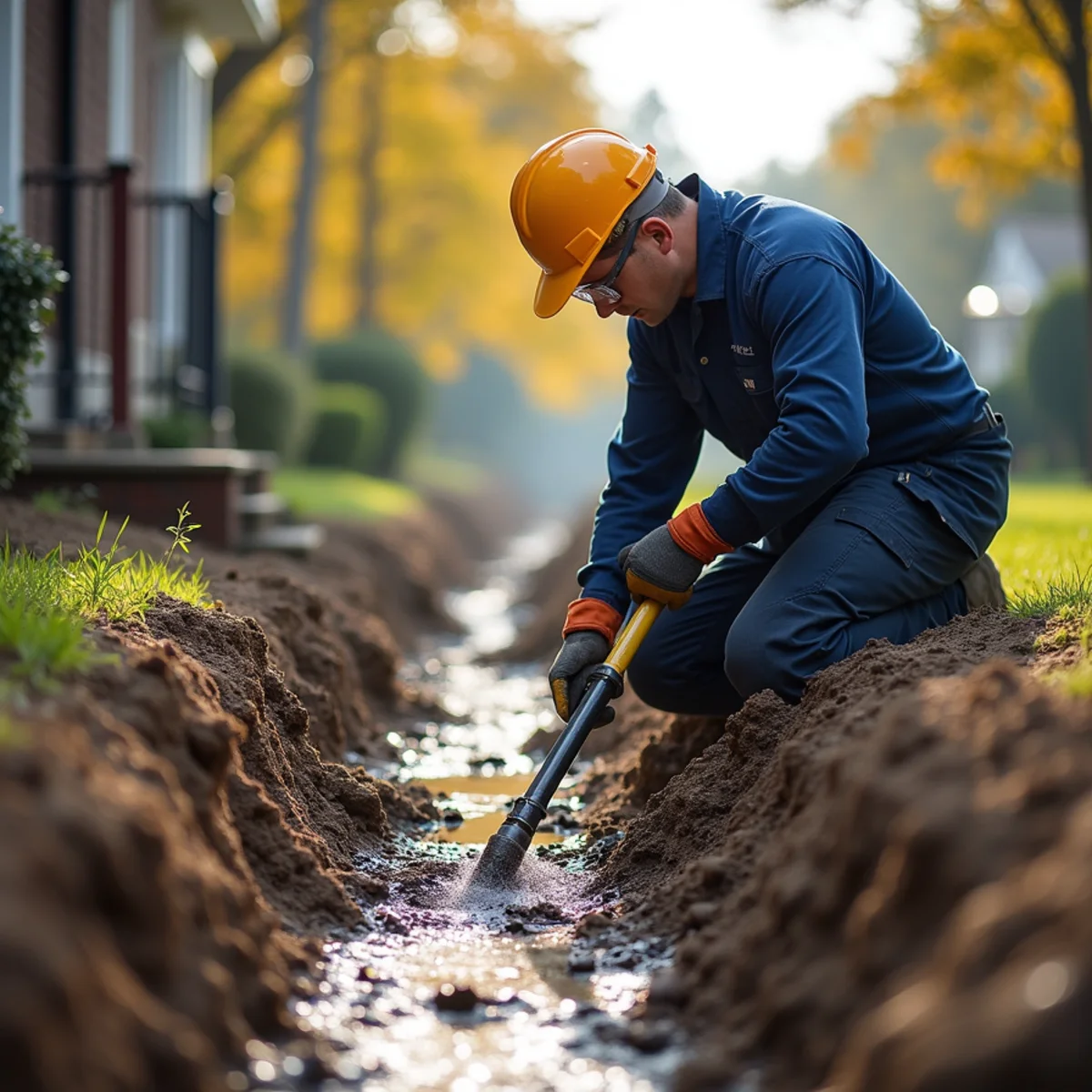
Immediate Comparison: Mechanical Rodding vs. High-Pressure Hydro-Jetting
When dealing with a blocked or sluggish main sewer line in the Chicago South Suburbs, choosing between mechanical sewer rodding and high-pressure hydro-jetting depends entirely on the physical nature of the obstruction and the structural condition of your pipe. Mechanical rodding utilizes a high-torque electric machine to drive a rigid steel cable fitted with sharpened, high-speed cutting blades through the lateral, making it the undisputed champion for shearing through dense, wood-like tree roots that invade older vitrified clay pipe joints. High-pressure hydro-jetting, by contrast, deploys water pressurized up to 4,000 PSI at 18 gallons per minute through specialized rotary nozzles to scour pipe walls 100% clean, making it vastly superior for emulsifying stubborn cooking grease, flushing out heavy mineral scale, and scouring commercial restaurant waste lines. Understanding how these two distinct technologies operate ensures you invest in the correct trade solution. For homeowners with mature yard trees, understanding this distinction prevents recurring emergency drain calls and saves thousands of dollars in water damage repairs over the lifespan of the plumbing system.
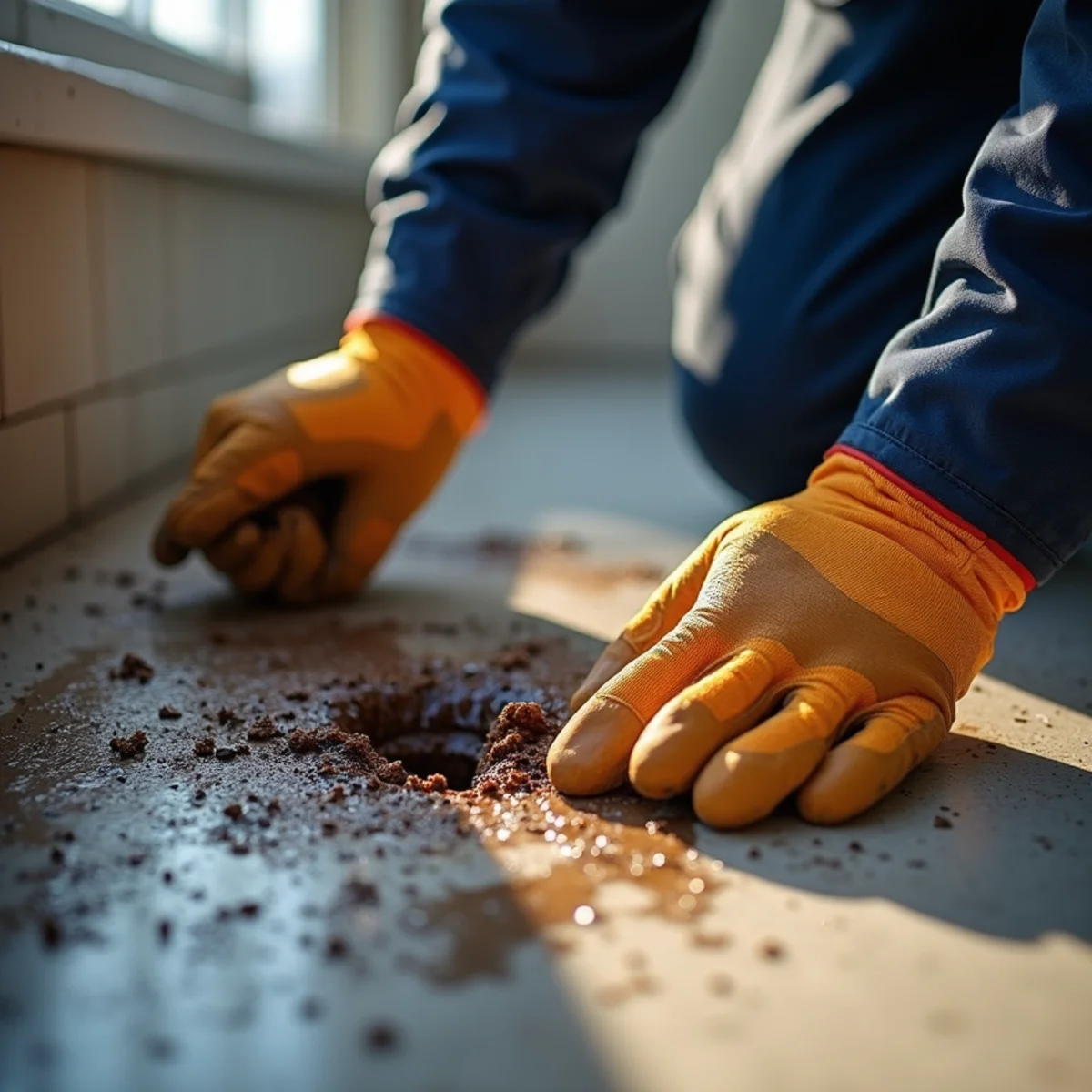
Mechanical Sewer Rodding: Spartan Spring-Steel Cables & Root-Cutting Blades
Mechanical sewer rodding represents the proven workhorse of residential sewer maintenance across Cook and Will counties. Professional sewer contractors utilize heavy industrial machinery—such as the iconic Spartan 1065—powered by high-torque electric motors. These machines feed heavy-duty, inner-core tempered Swedish spring-steel cables (typically 5/8-inch or 3/4-inch diameter) through the entire length of the underground lateral, traveling up to two hundred feet from the cleanout to the municipal sewer main. Technicians attach custom-welded circular cutting blades sized precisely to match the internal diameter of the lateral pipe (four-inch or six-inch blades). As the machine spins the cable under tremendous rotational torque, the hardened steel blades slice through dense root masses, smash through calcified mineral blockages, and snag sanitary wipes, pulling obstructions out and restoring gravitational flow. Spartan 1065 sewer rodders utilize heavy inner-core spring-steel cables wound under tension; when the cutting head encounters heavy root resistance, the cable absorbs torque and snaps forward, delivering massive slicing power.
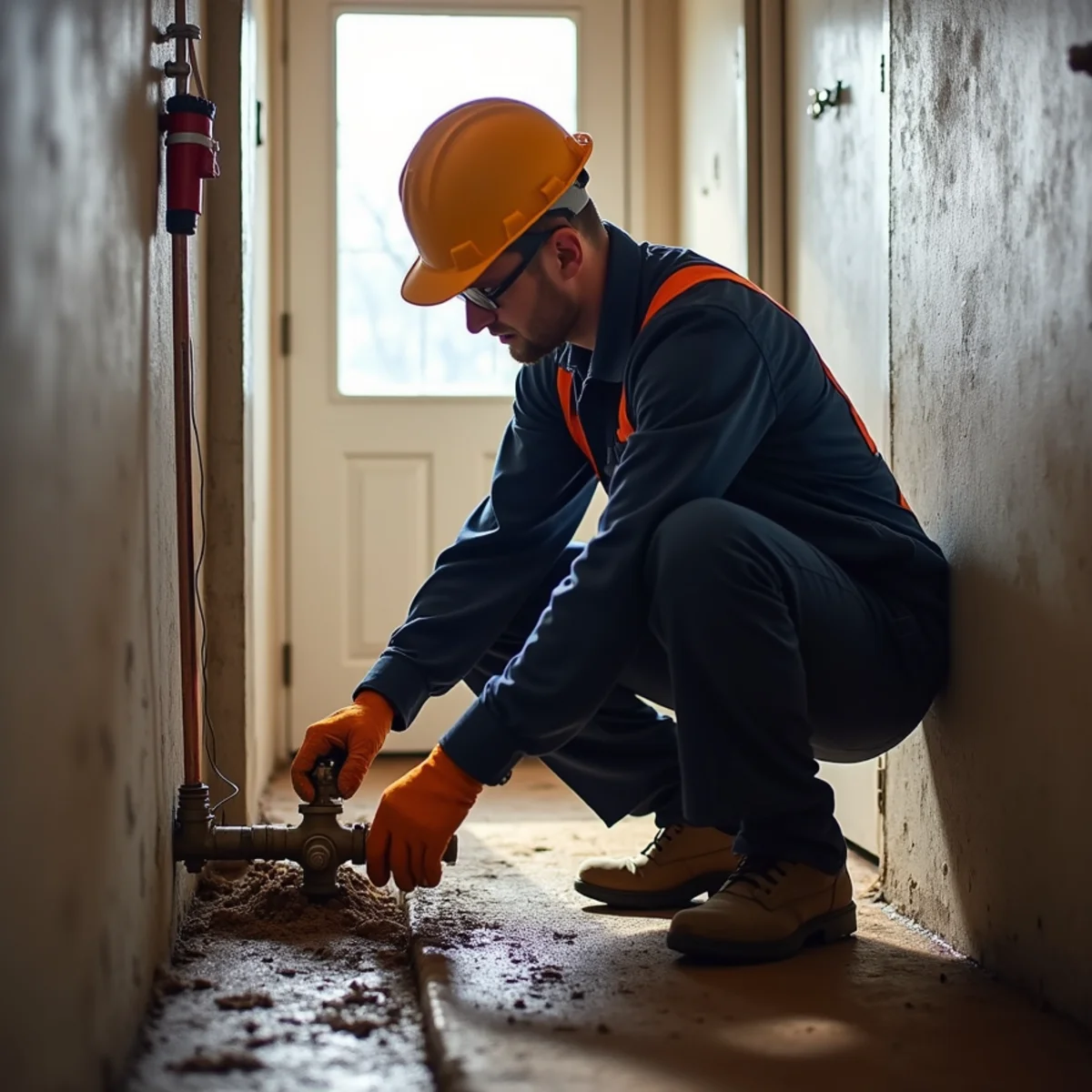
High-Pressure Hydro-Jetting: 4,000 PSI Water Scouring & Emulsification
High-pressure hydro-jetting represents the most advanced hydraulic cleansing technology available for residential and commercial drainage infrastructure. Operating from commercial truck-mounted rigs carrying large onboard water reservoirs, hydro-jetters utilize high-capacity triplex ceramic plunger pumps to propel water at pressures up to 4,000 PSI with flow rates of 15 to 18 gallons per minute. Technicians feed a specialized steel-braided hydraulic hose equipped with a precision stainless steel rotary nozzle (such as a Warthog root-cutting nozzle) down the pipe. Forward-facing high-velocity water jets pierce through impenetrable clogs, while multiple rear-facing high-pressure jets propel the hose forward through the pipe while scouring the interior pipe circumference 360 degrees, stripping away soft grease, dried soap scum, bio-sludge, and scale right down to the original pipe material. Hydro-jetting systems incorporate a pulsing feature that creates high-frequency hydraulic vibrations through the hose; this vibration helps the nozzle navigate past tight 90-degree elbows and rough pipe joints without hanging up.
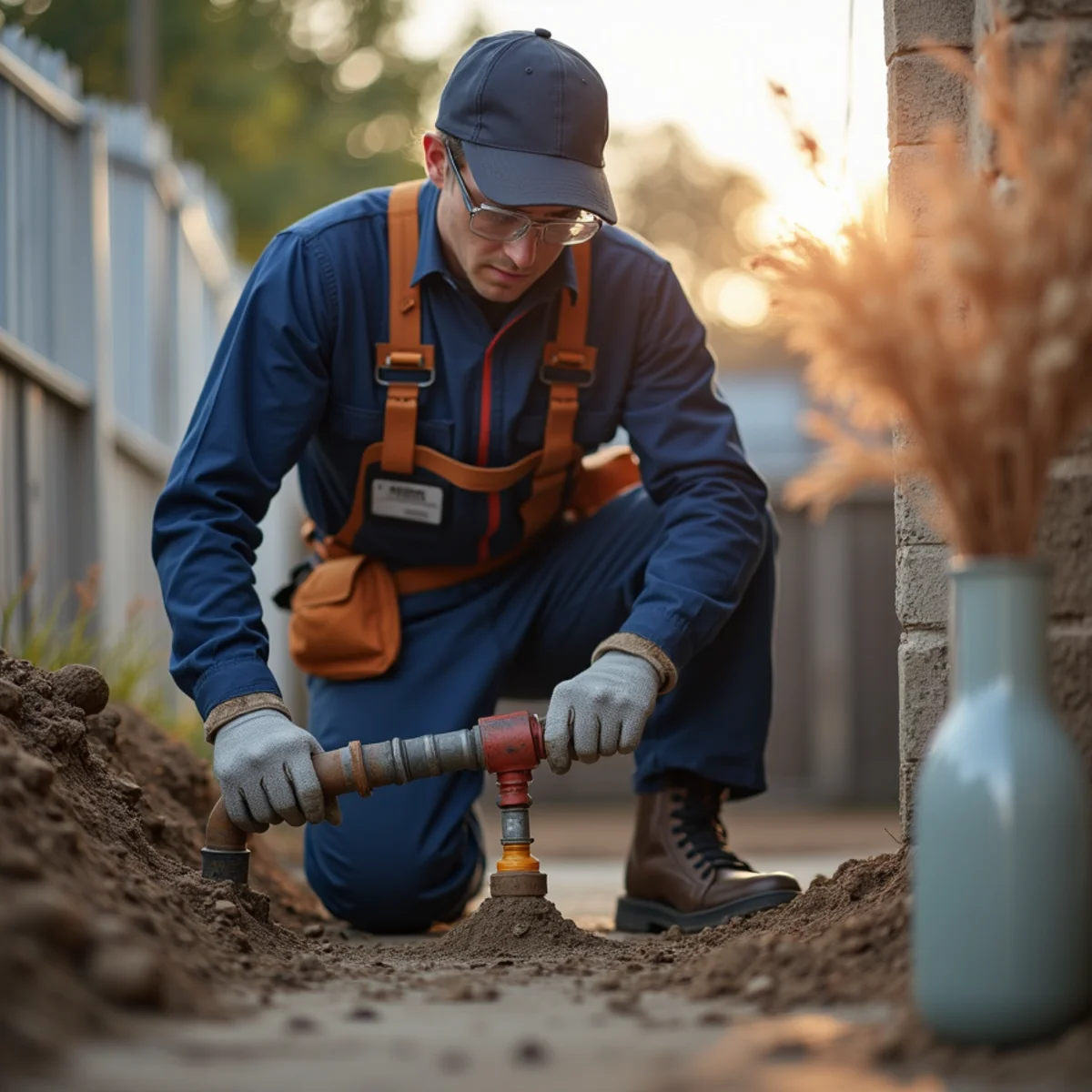
When Mechanical Rodding Is Mandatory: Dense Tree Root Intrusions & Heavy Obstructions
In South Suburban communities established in the late nineteenth and early twentieth centuries—such as Flossmoor, Homewood, and Olympia Fields—residential neighborhoods are shaded by magnificent mature oak, silver maple, green ash, and cottonwood trees. The aggressive, moisture-seeking root systems of these mature trees effortlessly penetrate the porous cement mortar joints of older vitrified clay sewer laterals. When these roots enter the nutrient-rich sewer environment, they expand into dense, wood-thick root balls that act as subterranean dams. While hydro-jetting water can wash away fine root hairs, water alone cannot slice through thick, fibrous, structural tree roots several inches in diameter. Mechanical rodding with hardened steel root cutters is absolutely mandatory to physically saw, shear, and extract these woody taproots, clearing the pipe bore so waste can flow freely. Mature silver maples and willow trees common in the South Suburbs can send roots through microscopic mortar cracks in clay pipes, expanding into massive taproots that choke 100% of the pipe bore within three to five years.
When Hydro-Jetting Is the Superior Solution: Heavy Grease, Fats, Oils & Silt
While mechanical rodding is unbeatable for heavy tree roots, it exhibits inherent physical limitations when dealing with soft, sticky, or congealed obstructions. When a spinning mechanical rodding blade passes through a heavy mass of cooking grease, fats, oils, and grease (FOG), or accumulated laundry soap curd, the cable merely punches a narrow four-inch hole through the center of the obstruction. Within weeks or months, the sticky grease slumps back into the void, catching toilet paper and causing recurring backups. Hydro-jetting is the undisputed master for grease and sludge remediation. The high-volume 4,000 PSI water stream emulsifies congealed fats into a milky liquid, flushing all debris completely downstream into the municipal interceptor main, leaving the interior pipe walls completely clean and smooth. In commercial restaurant drains, cooking oil cools and undergoes saponification, forming hard, soap-like grease calcifications on pipe walls. Hydro-jetting at 4,000 PSI shears this hard scale off the pipe walls cleanly.
Pipe Material Suitability: Clay Tile, Cast Iron, PVC & Fragile Orangeburg Lines
Matching the cleaning methodology to your specific subterranean pipe material is essential to prevent catastrophic line collapse. Modern Schedule 40 PVC piping and heavy interior cast iron stacks handle both mechanical rodding and 4,000 PSI hydro-jetting with complete safety. In older vitrified clay tile laterals, high-pressure jetting must be executed with calibrated pressure controls: while clay tile itself is impervious to water erosion, excessively aggressive water pressure directed at displaced joints or fractured pipe bells can wash away supporting soil ballast outside the pipe, accelerating structural settlement. Most critically, in homes with fragile postwar bituminous fiber piping (Orangeburg pipe), high-pressure hydro-jetting must NEVER be utilized, as 4,000 PSI water will shred the delaminated wood-pulp layers; gentle mechanical clearing or full trenchless replacement is the only viable path. In older cast iron building drains, high-pressure jetters can be fitted with rotary chain flail nozzles that strip rust blisters and internal pipe tuberculation, restoring full internal pipe diameter without damaging the iron shell.
The Mandatory Diagnostic Step: Pre- and Post-Clearance Video Camera Scopes
Neither rodding nor hydro-jetting should ever be performed blindly without visual diagnostic confirmation. Reputable, licensed sewer contractors always conduct high-definition CCTV video camera inspections as standard operating procedure. Before starting work, a color camera equipped with a 512 Hz locating sonde travels down the line to identify the exact nature and depth of the restriction—differentiating between tree roots, grease, broken clay collars, or pipe bellies where water pools. Following mechanical clearing or hydro-jetting, a second post-clearance camera scope is mandatory to inspect the bare pipe walls, verifying that 100% of the obstruction was removed and documenting whether structural fractures require permanent localized point repairs. Modern digital camera locators trace both the exact linear footage and the subterranean depth of pipe defects, eliminating guesswork before mechanical cutting or jetting begins.
Longevity of Results: Why Jetting Keeps Lines Clear Significantly Longer Than Snaking
A major consideration when comparing sewer cleaning methods is the longevity of the results. When an older lateral pipe with moderate tree roots and grease buildup is cleared using mechanical rodding, the blades cut an open channel through the center of the line, but leave a thin stubble of root ends and grease residue clinging to the pipe walls. These remaining root stubs begin regenerating immediately, typically requiring another rodding service within nine to twelve months. When a lateral is cleared using mechanical root cutting followed by high-pressure hydro-jetting, the pipe is washed completely clean of grease film and organic matter. Deprived of the nutrient-rich organic sludge that feeds root growth, tree roots take significantly longer to regenerate, extending the service interval between cleanings to two to three years.
Cost Analysis: Upfront Investment vs. Long-Term Preventative Value
From an initial expenditure perspective, mechanical sewer rodding represents the more economical upfront option, typically costing between $250 and $450 for residential main lateral service in the Chicago Southland. High-pressure hydro-jetting requires specialized heavy commercial truck equipment, dedicated water supply reservoirs, and higher operational labor, typically ranging from $500 to $900 for comprehensive residential service. However, evaluating these costs on an annualized basis reveals that hydro-jetting offers superior long-term economic value. Because hydro-jetting restores pipe capacity completely and prevents recurring emergency backups, homeowners save hundreds of dollars by eliminating frequent emergency service calls and avoiding costly basement water damage restoration. Investing in preventative hydro-jetting every two years costs less than a single emergency after-hours rodding service call during a holiday weekend, while permanently protecting your basement against sewer backup water damage.
Tailored Sewer Maintenance Schedules for South Suburban Properties
To maintain trouble-free subterranean drainage, South Suburban homeowners should adopt a proactive, customized maintenance schedule based on their property's age and landscaping. For older residences in Flossmoor, Homewood, and Chicago Heights with original vitrified clay tile laterals and mature yard trees, scheduling annual preventative spring rodding keeps root intrusions managed before heavy summer cloudbursts strike. For properties with recurring kitchen line grease buildup, finished basements, or commercial food service operations, investing in high-pressure hydro-jetting every eighteen to twenty-four months guarantees pristine, unobstructed flow through all four seasons.