Immediate Emergency Action: Cease All Domestic Water Usage Immediately
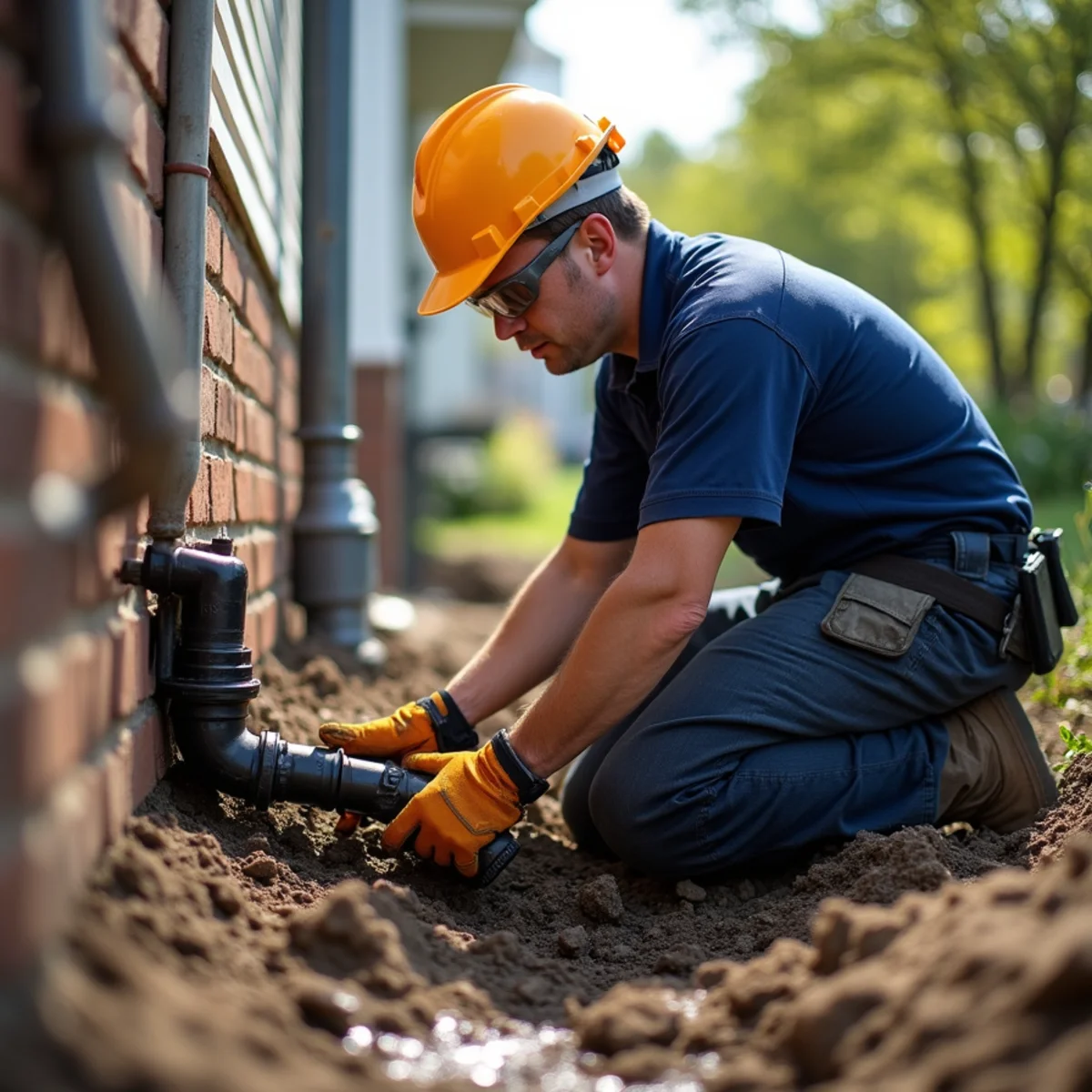
If raw sewage or foul wastewater is backing up through your basement floor drain, immediately stop running all water throughout your entire home, keep family members and pets completely away from the contaminated area, and call a licensed sewer contractor for emergency mechanical rodding. Ceasing water usage means no flushing toilets, running sink faucets, taking showers, operating washing machines, or running dishwashers anywhere in the house. In a standard residential gravity plumbing network, every single gallon of water that drains from upper-level fixtures flows directly downward into your home's central vertical drainage stack. When the underground sewer lateral exiting your foundation is obstructed by tree roots, heavy grease, or collapsed clay tile pipe, gravity forces all that discharged wastewater to seek the lowest open path in the plumbing network—which is almost always your basement floor drain, utility sink, or lower-level shower stall. Continuing to run water upstairs directly accelerates the volume and velocity of raw sewage flooding into your basement living space.
Critical Electrical & Life Safety Hazards in Flooded Basements
Entering a basement with standing wastewater poses severe life-safety hazards, chief among them the lethal risk of electrocution. Water is an exceptional conductor of electricity, and damp or submerged concrete slabs dramatically increase current transmission across surfaces. If the pooling wastewater reaches the height of electrical baseboard heaters, floor-level extension cords, basement wall outlets, washing machine power connections, or the low-voltage circuitry of your furnace and water heater, the entire pool of water can become electrically energized. Under no circumstances should you walk into standing sewage to inspect appliances or retrieve personal possessions while electrical power remains active. If your main electrical breaker panel is located in the basement and can only be reached by walking across wet concrete, do not attempt to reach it; immediately contact Commonwealth Edison (ComEd) or your municipal emergency dispatch to have your home's electrical service disconnected externally at the electric meter before entering the lower level.

Biological Pathogens & Category 3 Blackwater Exposure Risks
Under the professional standards established by the Institute of Inspection, Cleaning and Restoration Certification (IICRC) S500 standard, sewage backflow is classified as Category 3 blackwater—the most hazardous classification of indoor water contamination. Raw sewage carries gross biological contamination teeming with dangerous human pathogens, including pathogenic Escherichia coli (E. coli), Salmonella enterica, norovirus, rotavirus, hepatitis A, and microscopic parasites like Cryptosporidium and Giardia lamblia. In addition to waterborne bacteria and viruses, backing sewage releases hazardous airborne sewer gases, including toxic hydrogen sulfide (characterized by a rotten egg smell) and flammable methane gas, which can cause dizziness, nausea, and asphyxiation in confined basement spaces. Anyone entering the affected area must wear specialized personal protective equipment (PPE), including heavy nitrile gloves, rubber waterproof boots, eye goggles, and N95 respiratory protection. Porous building materials saturated by blackwater—such as carpet padding, upholstered furniture, and drywall—cannot be effectively sanitized and must be demolished and discarded.
Diagnosing the Root Cause: Private Lateral Blockage vs. Municipal Sewer Surcharge
Determining whether a basement sewage backup is caused by an obstruction in your private lateral pipe or a surcharged municipal main is vital for assigning financial responsibility and executing the proper mechanical remedy. Across older Chicago South Suburban communities like Flossmoor, Homewood, and Chicago Heights, aging municipal collection infrastructure frequently utilizes combined sewers that carry both residential sanitary waste and street storm runoff in a single subterranean pipe. During intense Midwestern cloudbursts, rainfall volume rapidly overwhelms municipal main capacity, causing street storm sewers to surcharge and force untreated municipal wastewater backward through residential service lines into basements. If your neighbors are experiencing simultaneous basement flooding during a torrential storm, the municipal main is surcharged. Conversely, if your backup occurs on a dry, sunny afternoon, or if sewage backs up only when you run laundry or empty a bathtub, the blockage exists entirely within your private sewer lateral, almost invariably resulting from invasive tree roots, heavy cooking grease deposits, or structural pipe failure.

Locating and Opening Exterior Cleanouts to Relieve Basement Pressure
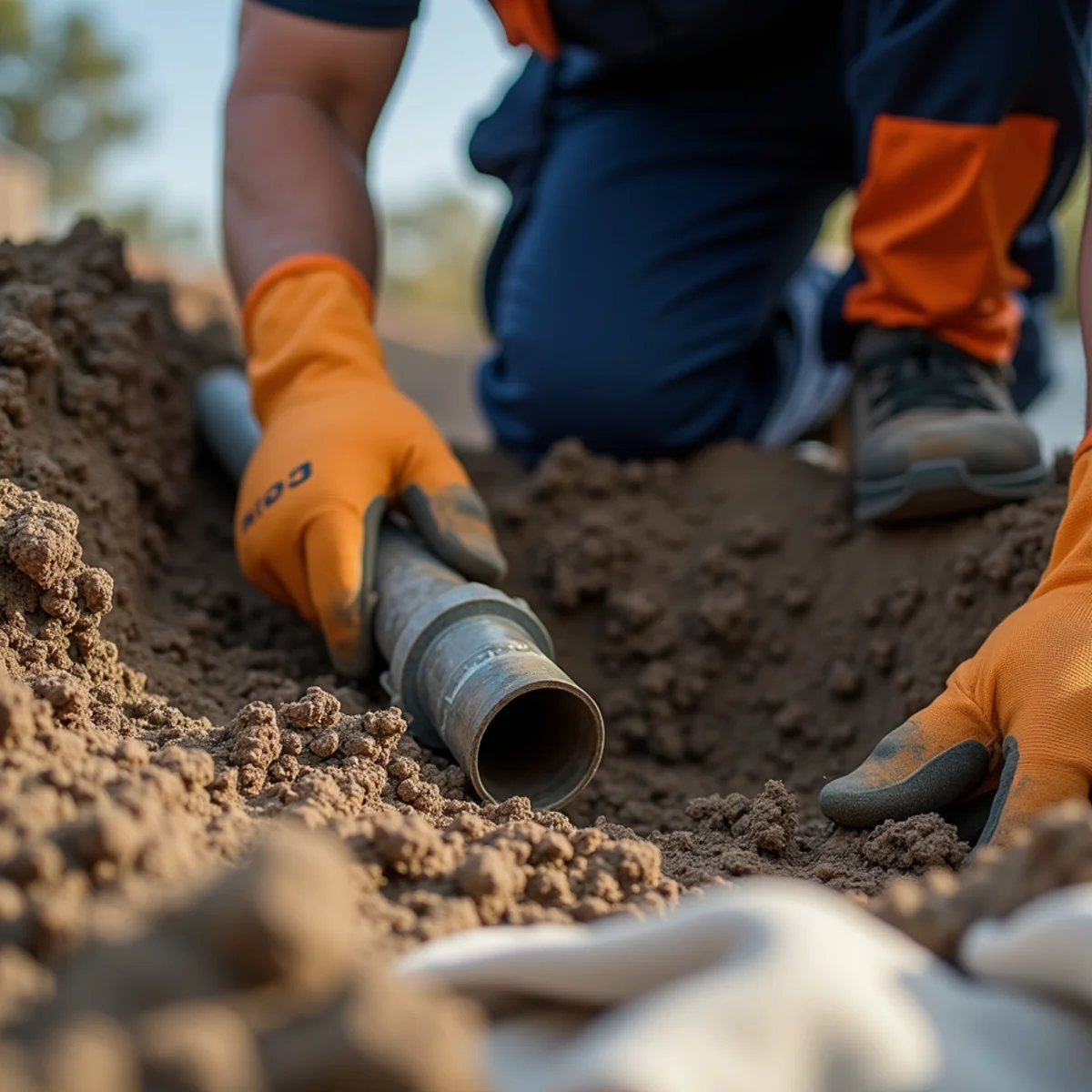
If your residential plumbing system is equipped with an outside sewer cleanout—typically an exterior riser pipe located near your front foundation wall or parkway with a brass or PVC threaded cap—removing this cap can provide immediate, lifesaving pressure relief for your basement. When an underground sewer lateral clogs between the house and the municipal main in the street, wastewater builds up behind the blockage under substantial hydraulic head pressure. By carefully unscrewing the cleanout cap with a pipe wrench or cleanout plug tool, you give the backing wastewater an alternate low-pressure exit point at the ground level outside. Any further backup will overflow harmlessly into your exterior lawn or garden beds rather than continuing to rise higher against your finished basement walls, wood framing, and mechanical equipment. When loosening the exterior plug, stand clear and loosen the threads slowly, as trapped sewer gases and pent-up head pressure can cause wastewater to spray forcefully once the seal is breached.
Industrial Mechanical Rodding with Spartan Cable Cutters
Restoring gravitational flow through an obstructed sewer lateral requires industrial-grade mechanical rodding machinery engineered for heavy torque and impenetrable root blockages. Lightweight, consumer-grade drain snakes available at home improvement stores lack the rotational power, cable rigidity, and cutting head diameter required to clear commercial-scale obstructions. Licensed sewer technicians deploy heavy-duty Spartan 1065 mechanical rodding machines loaded with rigid, heavy-gauge inner-core tempered Swedish steel cables. Technicians attach custom-welded circular steel root-cutting blades sized precisely to match the internal diameter of the pipe—typically four inches or six inches. As the rodding machine powers the cable through the lateral, the high-speed spinning blades act like a subterranean router, shaving intrusive tree roots completely flush with the vitrified clay or cast iron pipe walls, pulverizing calcified grease masses, and extracting trapped sanitary wipes and foreign debris to re-establish free gravitational flow toward the street main.
Post-Clearance Closed-Circuit Video Inspection & Structural Assessment
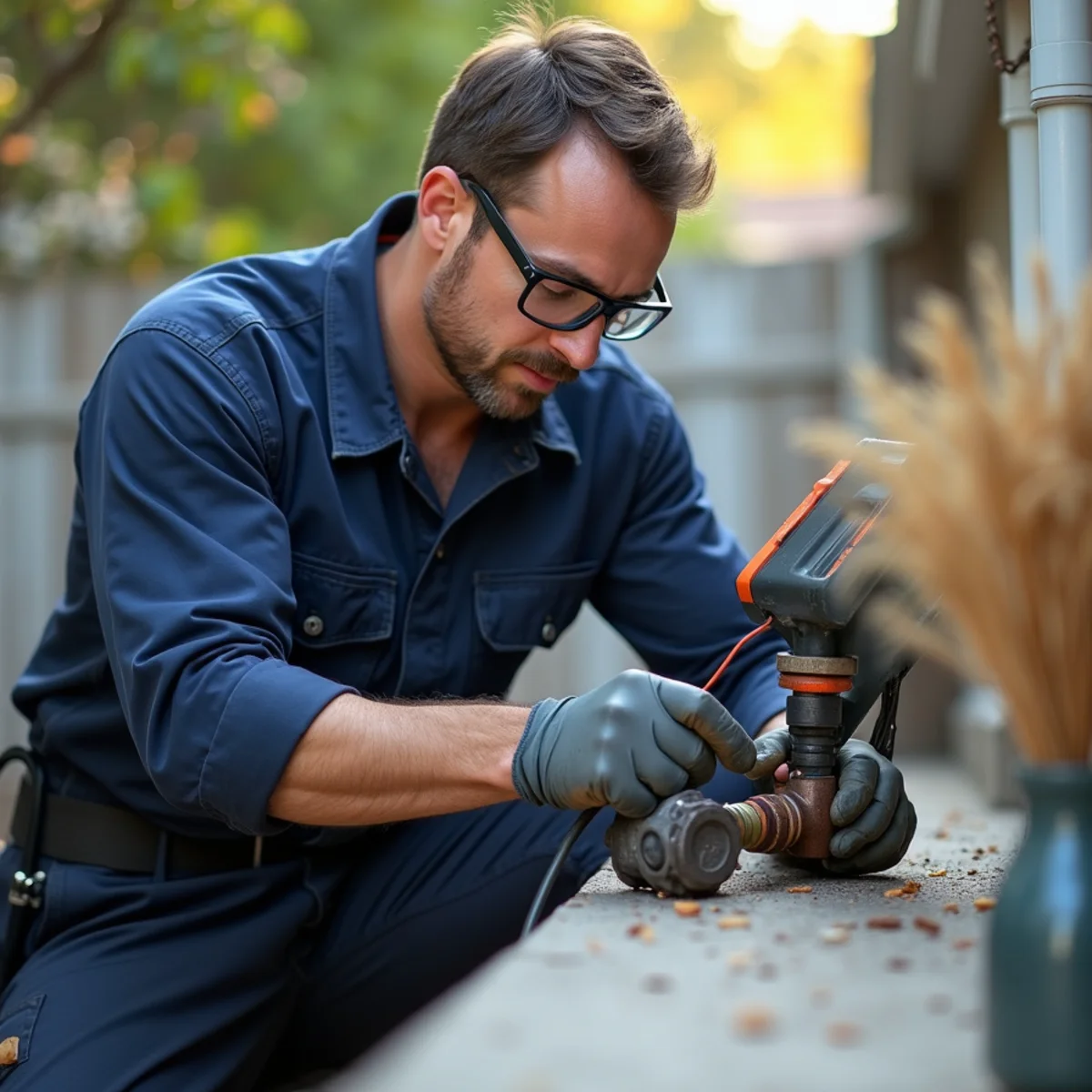
Once gravitational drainage has been successfully restored and the standing sewage has evacuated the lateral, a comprehensive closed-circuit television (CCTV) sewer camera inspection is essential to diagnose the underlying physical cause of the failure. Simply clearing the obstruction with a rodding cable does not reveal whether the pipe has suffered structural fractures, joint displacements, or root re-entry holes. Professional technicians guide a high-definition color camera with a self-leveling optical head and high-intensity LED lighting through the full length of the lateral, from the cleanout to the municipal sewer tap. Digital footage reveals the precise structural health of the line, pinpointing cracked clay bells, sheared joints caused by shifting clay soils, pipe bellies where water pools, and heavy mineral scale accumulation. Furthermore, modern inspection cameras incorporate 512 Hz radio sondes that allow technicians to locate the exact depth and surface position of subterranean pipe defects from above ground, enabling surgical point repairs without unnecessary trenching.
Sanitization Protocol & Professional Biohazard Remediation
After the physical sewer obstruction has been cleared and wastewater has receded, prompt and thorough environmental sanitization is mandatory to eliminate toxic microbial pathogens and prevent rampant black mold growth. All non-salvageable porous items—including contaminated carpet padding, area rugs, cardboard boxes, and wet fiberglass insulation—must be sealed in heavy 3-mil contractor bags and hauled away for hazardous disposal. Drywall and wood baseboards must be cut twelve to eighteen inches above the highest water line to expose studs and prevent hidden fungal proliferation inside wall cavities. All non-porous surfaces, such as poured concrete basement slabs and masonry walls, must be scrubbed with hot water and heavy detergents to strip sewage residue, followed by saturation with EPA-registered hospital-grade quaternary ammonium disinfectants or broad-spectrum biocides. Commercial air movers and high-capacity low-grain refrigerant (LGR) dehumidifiers must run continuously for several days to achieve structural moisture levels below 15%.
Long-Term Flood Defense: Installing Overhead Sewers and Backwater Valves
To permanently safeguard your South Suburban home against catastrophic sewer backups, converting an older gravity-fed drainage system into an engineered overhead sewer system represents the gold standard of municipal flood defense. In a traditional gravity sewer system, basement floor drains and plumbing fixtures sit below the elevation of the street sewer main, leaving them perpetually vulnerable to reverse hydraulic pressure whenever municipal storm mains surcharge. In an overhead sewer conversion, the basement floor drain is eliminated, and all lower-level plumbing fixtures are re-routed into a sealed subterranean sewage ejector pit. The ejector pump lifts wastewater up toward the basement ceiling rafters before conveying it horizontally and downward into the main exterior sewer line. Because the exit pipe is elevated well above the street sewer surcharge level, municipal wastewater cannot physically back up into the basement without rising higher than the ceiling, providing complete structural flood protection. Many Cook County municipalities offer substantial rebate programs to subsidize overhead sewer conversions.
Cook County Municipal Codes & Village Cleanout Ordinances
Navigating local municipal plumbing codes across Cook County is essential when performing sewer modifications after a backup. Many South Suburban villages—including Flossmoor, Park Forest, and Olympia Fields—enforce strict municipal building codes requiring the installation of an accessible exterior double-sweep cleanout whenever major sewer lateral repairs or replacements are performed. Exterior cleanouts allow municipal inspectors and private contractors to inspect and service the sewer pipe without dragging heavy machinery through finished residential interiors. Furthermore, local ordinances frequently regulate how storm runoff from sump pumps and roof downspouts is handled, strictly prohibiting the direct discharge of surface stormwater into the sanitary sewer system to prevent overloading village collection mains. Working with a fully licensed, bonded, and insured plumbing contractor ensures that all post-backup repairs comply with the Illinois Plumbing Code and local village engineering specifications.