

The Illinois Insurance Reality: Why Standard Homeowners Policies Exclude Sewer Backups
A standard Illinois homeowners insurance policy (an unendorsed HO-3 or HO-5 policy) strictly excludes water damage caused by sewer backups, drain backups, and sump pump overflows. Thousands of South Suburban homeowners discover this painful reality only after a torrential summer downpour leaves six inches of contaminated wastewater standing across their finished basements. Standard property insurance is structured to cover sudden and accidental indoor water damage originating from within the domestic plumbing system—such as an overhead copper pipe bursting in a freeze or a water heater tank weld suddenly rupturing. Conversely, water entering a home from below the ground—whether rising up through a municipal sewer lateral, spilling from an overwhelmed sump crock, or seeping through foundation masonry cracks—is categorically classified as an excluded water peril unless the policyholder has specifically purchased an optional policy endorsement. Insurance industry standard ISO Form HO-00-03 explicitly excludes water damage from water or waterborne material which backs up through sewers or drains or which overflows from a sump or related equipment.

The Critical Endorsement: Water Backup and Sump Discharge or Overflow Coverage
To protect your home against the financial devastation of a flooded basement, you must actively endorse your homeowners policy with the Water Backup and Sump Discharge or Overflow rider (often referred to in Illinois as an HO-04-95 or similar endorsement). This vital rider specifically amends your policy to cover direct physical loss to your structure and personal property caused by water or waterborne material that backs up through sewers or drains, or overflows from a sump pump, sump well, or related drainage equipment. Without this explicit rider, insurance adjusters will issue an immediate, total denial of coverage for any basement flooding event linked to municipal sewer surcharges, root blockages in lateral pipes, or mechanical sump pump failures during severe thunderstorms. Most insurance carriers offer endorsement limits ranging from $5,000 up to $50,000; selecting the highest available limit typically increases annual premiums by less than $60 to $100 per year while providing immense financial security.

Surcharged Municipal Mains vs. Private Lateral Blockages: Claims Differences
When filing an insurance claim for a sewer backup in Cook or Will County, the underlying physical cause of the water intrusion directly influences how adjusters handle the loss. If municipal street sewers become surcharged during a regional cloudburst—pushing untreated stormwater and sewage backward into dozens of neighborhood homes simultaneously—your water backup endorsement pays up to your policy limit, while the municipality itself almost universally claims governmental tort immunity under Illinois state law, shielding the village from private damages. Conversely, if the backup occurs on a dry afternoon due to tree roots choking your private vitrified clay lateral, insurance adjusters will investigate whether the failure resulted from a sudden obstruction or chronic homeowner maintenance neglect. Retaining a licensed sewer contractor who can provide objective video camera diagnostic evidence proving an acute, sudden blockage is critical to preventing claim disputes.
Recommended Coverage Limits for South Suburban Finished Basements
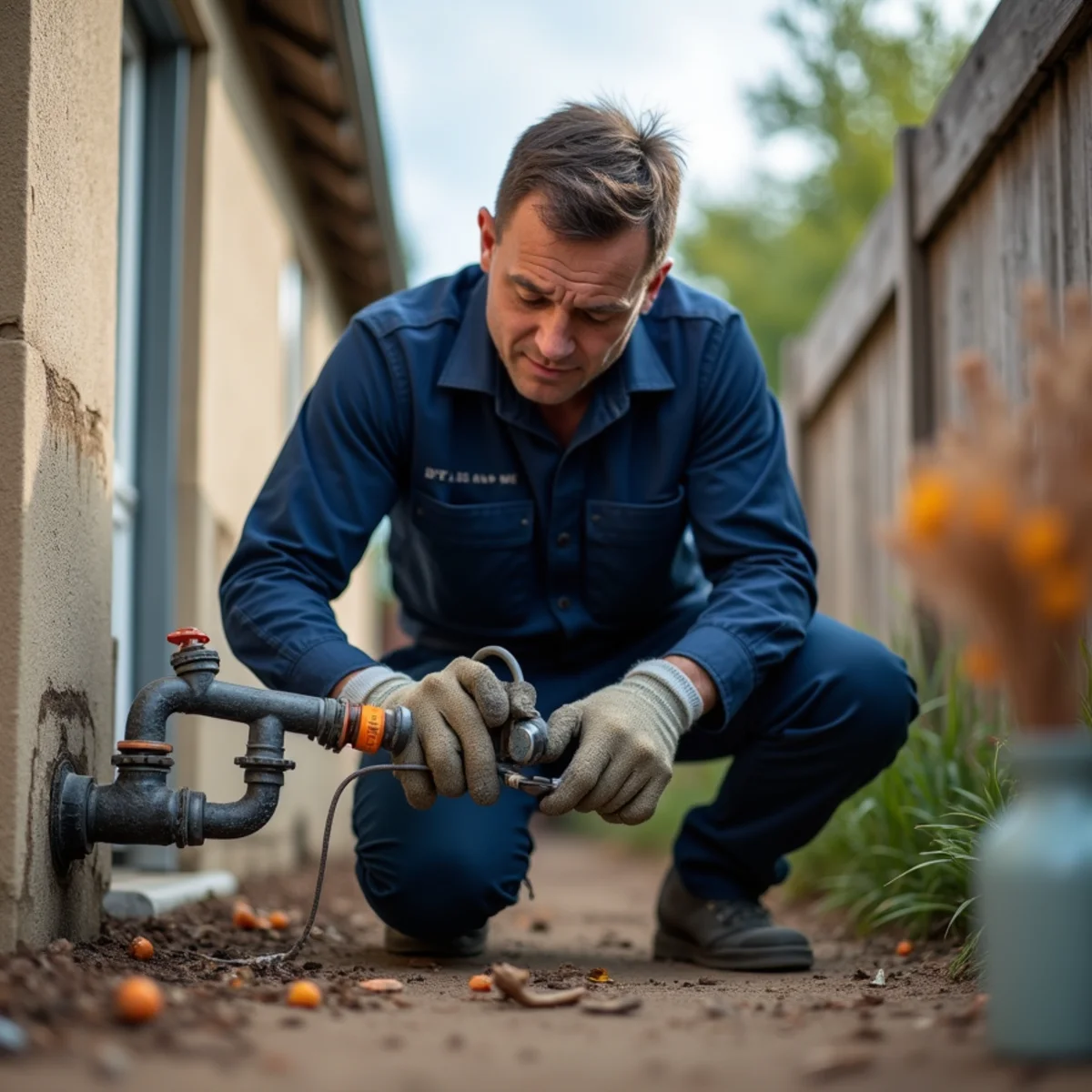
When adding a sewer backup endorsement, many insurance agents default to minimal coverage limits—typically $5,000 or $10,000—which are hopelessly inadequate for homes with finished basements in communities like Flossmoor, Olympia Fields, or Tinley Park. Mitigating a Category 3 blackwater sewer backup involves extensive biohazard extraction, demolishing contaminated drywall and insulation twelve to eighteen inches above the floor, discarding ruined hardwood or carpeting, running commercial dehumidifiers for days, and fully sanitizing concrete slabs with hospital-grade antimicrobial agents. Biohazard mitigation alone frequently exceeds $8,000 to $12,000 before structural reconstruction or personal property replacement even begins. If your basement includes finished drywall, custom cabinetry, entertainment electronics, or mechanical equipment (furnace and water heater), South Suburban homeowners should carry a minimum of $25,000 to $50,000 in dedicated water backup coverage. A single high-efficiency gas furnace and 50-gallon water heater submerged by sewer water will cost $6,000 to $10,000 to replace, quickly exhausting a minimal $5,000 water backup endorsement before drywall repair begins.
Essential Step-by-Step Claims Filing Protocol for Illinois Homeowners
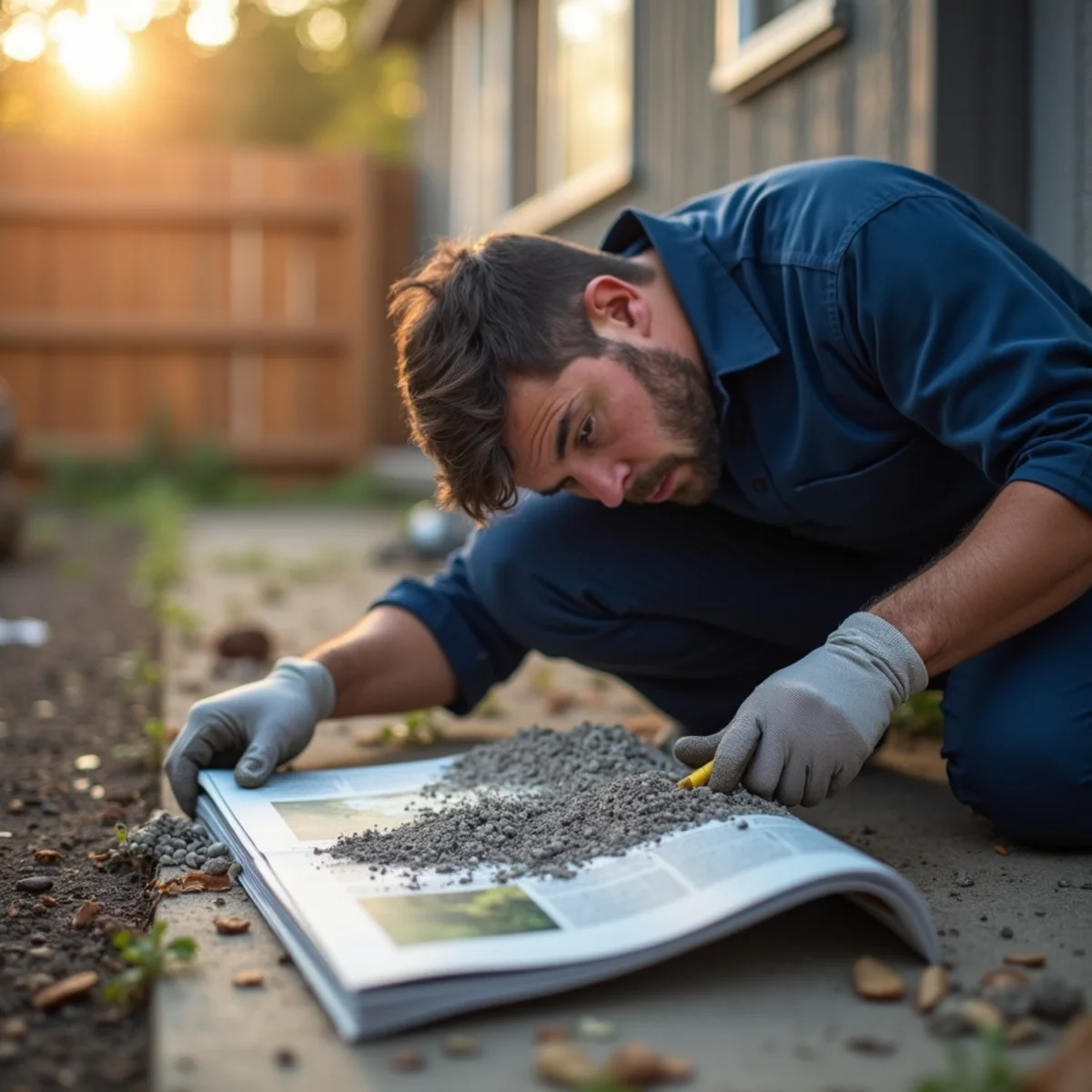
Successfully navigating an Illinois sewer backup insurance claim requires prompt, disciplined adherence to claims protocols. The moment you discover sewage entering your basement, contact your insurance carrier's 24-hour claims reporting hotline immediately to open a formal claim file and obtain a claim number. Inquire specifically about your endorsement policy limits, your deductible (which typically ranges from $500 to $1,500), and whether the carrier requires the use of their preferred restoration contractors or allows you to select an independent IICRC-certified restoration firm. Do not discard any damaged building materials or expensive personal belongings until the insurance field adjuster has inspected the site in person or explicitly authorized disposal in writing. Taking fast, methodical action during the first two hours ensures that both your emergency mitigation contractors and insurance adjusters operate from an aligned, undisputed record of physical loss.
Documentation Requirements: Photo Evidence, Sewer Video Scopes & Contractor Reports
Comprehensive visual documentation is your greatest asset when establishing the full scope of an insurance claim. Before emergency mitigation teams begin stripping waterlogged materials, walk through every flooded room and capture high-resolution, wide-angle photographs and continuous video showing water heights against drywall, ruined baseboards, submerged mechanical equipment, and damaged furniture. Take detailed close-up photographs of appliance serial plates, brand tags, and high-value personal items. Crucially, hire a reputable sewer contractor who records a complete closed-circuit television (CCTV) video inspection of your sewer lateral immediately following rodding. The written technician report and digital camera footage provide definitive diagnostic proof showing the precise obstruction, ruling out long-term unaddressed pipe collapse and establishing the sudden nature of the backup. Central Rodding provides detailed, written technician scope reports and digital video recordings of the sewer lateral immediately after rodding, giving homeowners certified third-party proof of acute physical obstructions.
Common Exclusions and Pitfalls: Wear, Tear, Maintenance Neglect & Tree Roots
Insurance policy endorsements contain specific exclusionary clauses that insurance adjusters scrutinize to deny or limit claims. The most frequent basis for denial is the policy exclusion for 'gradual deterioration, wear and tear, or failure of the insured to maintain the property.' If an adjuster inspects your sewer line and argues that invasive tree roots have entered the pipe over several years without preventative mechanical maintenance, they may attempt to deny coverage based on chronic neglect. To protect yourself against this pitfall, keep detailed records and receipts of routine preventative sewer rodding and drain maintenance performed by licensed sewer specialists. Demonstrating a documented history of professional sewer care proves that you acted responsibly and that the backup was an unforeseeable, sudden mechanical failure. To successfully defeat a maintenance neglect denial, retain itemized paid invoices from licensed plumbing contractors demonstrating that you perform regular preventative sewer rodding and root removal every twelve months.
IICRC-Certified Water Mitigation vs. DIY Cleanup Reimbursement
Insurance carriers recognize that raw sewage backflow presents acute health risks governed by IICRC S500 biohazard standards. While homeowners can legally attempt minor cleanups on bare concrete, insurance policies generally cover the reasonable and necessary costs of hiring professional water damage restoration firms equipped with commercial extraction trucks, HEPA-filtered negative air scrubbers, and industrial dehumidifiers. Professional restoration contractors provide detailed, itemized estimates generated through Xactimate—the industry-standard estimating software utilized by major insurance companies—ensuring that every phase of demolition, microbial decontamination, and structural drying is billed according to accepted carrier pricing schedules, preventing out-of-pocket billing surprises.
Cook & Will County Municipal Flood Mitigation Rebate Programs
In response to recurrent regional storms and municipal sewer surcharging, numerous South Suburban municipalities in Cook and Will counties offer generous flood mitigation rebate programs to help property owners fund permanent plumbing upgrades. Communities such as Flossmoor, Park Forest, and neighboring villages frequently provide matching reimbursement grants (often covering 50% of eligible costs up to $3,000 to $7,500) for homeowners who install municipal flood protection systems. Eligible improvements typically include converting traditional gravity drainage to engineered overhead sewer systems, installing exterior double-check backwater valves, and disconnecting illegal downspouts from sanitary laterals. In many instances, homeowners can combine insurance claim payouts for backup mitigation with village rebate subsidies to fund permanent structural flood defenses with minimal net out-of-pocket expense. Village flood protection rebate applications typically require submitting pre-installation plumbing permits, contractor proposals, and post-installation municipal inspection approvals to receive matching municipal reimbursement checks.
Permanent Upgrades That Lower Insurance Premiums: Overhead Sewers & Check Valves
Installing permanent mechanical flood defenses not only guarantees lasting peace of mind against future storms but can also reduce your property insurance premiums. In an overhead sewer conversion, all basement plumbing fixtures drain into an airtight ejector pit that pumps waste upward to ceiling rafters before discharging via gravity above street surcharge elevations, making reverse municipal sewage backflow physically impossible. Similarly, heavy-duty exterior backwater valves automatically lock shut under reverse hydraulic flow, sealing your lateral off from municipal street surges. Once these engineered systems are permitted, installed, and certified by municipal building inspectors, provide a copy of the plumbing completion certificate to your insurance agent; many top-tier insurance carriers offer premium discounts on your water backup endorsement for homes with verified flood defense systems. After completing an overhead sewer conversion or installing an exterior backwater valve, request a signed municipal completion certificate from your village building department and submit it directly to your insurance underwriter for policy discounts.