
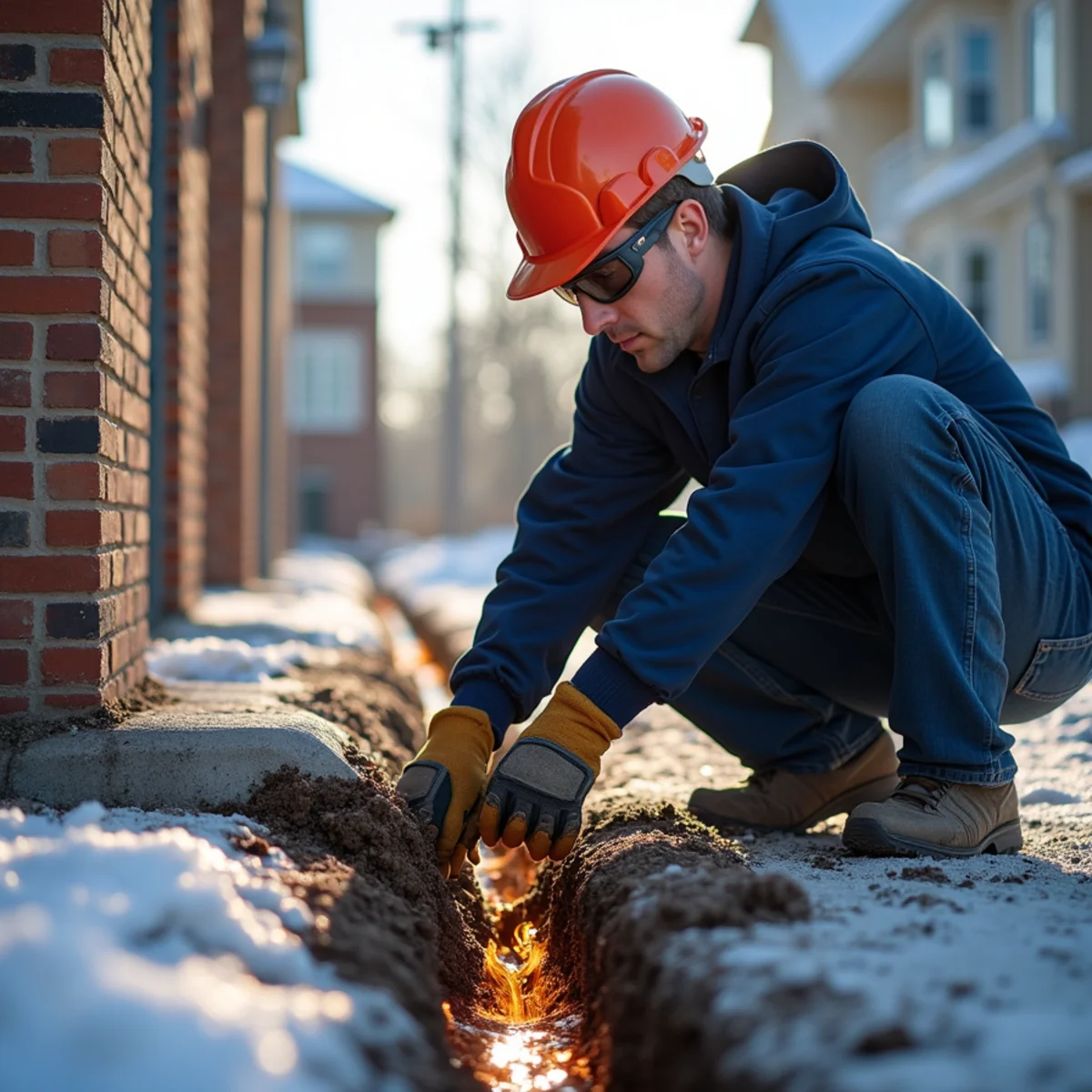
Immediate First Response: Shutting Off the Main Water Supply Within 60 Seconds
The very instant you discover or suspect a burst frozen pipe, shut off your home's main water supply valve immediately, open all faucets to relieve residual hydraulic line pressure, and cut electrical power to the affected zone at the main circuit breaker panel. Taking these three decisive actions within the first 60 seconds stops pressurized municipal water from continuously pouring into your living spaces, limiting what could easily become catastrophic structural destruction. In typical residential plumbing systems throughout Cook and Will counties, municipal water flows into homes under 50 to 80 pounds per square inch (PSI) of pressure. When an unconditioned copper pipe splits or a solder fitting blows out during a freeze, that pressure can discharge four to eight gallons of water per minute—flooding basements, collapsing plaster ceilings, and soaking wall cavities with over 400 gallons of water in less than an hour. Memorizing your main shut-off location before winter arrives is the single most important defense against burst pipe disaster.
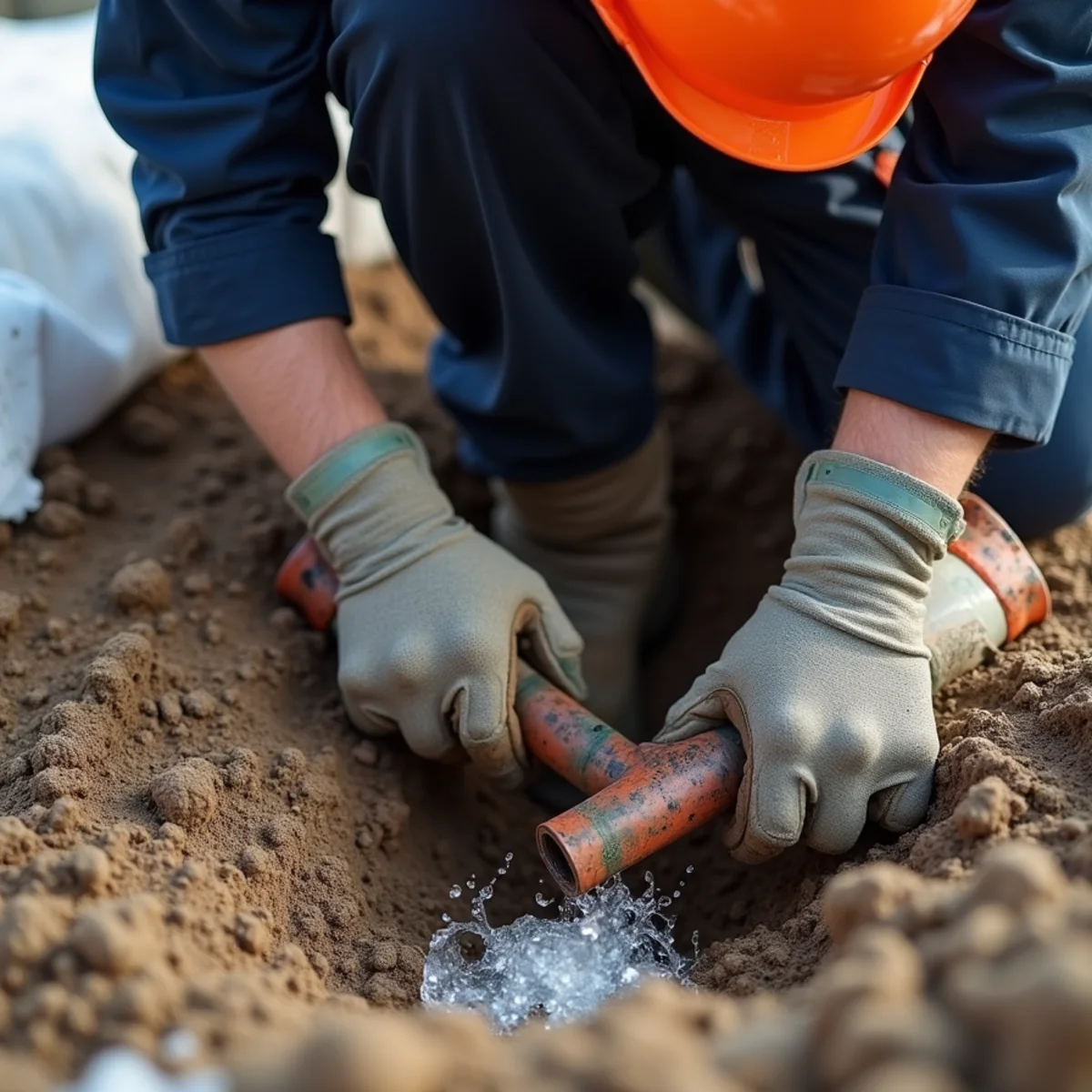
Depressurizing the Domestic Plumbing System to Halt Water Egress
After closing the main water shut-off valve, substantial water volume remains trapped under pressure inside your vertical risers, distribution branches, and water heater tank. Simply shutting the main valve stops incoming city water, but the residual column of water trapped above the rupture will continue to drain directly out through the fracture until the entire plumbing network empties. To halt this secondary drainage, immediately open the lowest plumbing fixtures in your house—such as a basement laundry sink, utility tub, or exterior frost-free hose bibb—to allow gravity to drain the pipe network into proper drainage basins. Simultaneously, open the highest upstairs sink faucets and shower valves to break the vacuum seal within the plumbing lines. This depressurizes the entire system within seconds, redirecting standing water harmlessly into sinks rather than letting it cascade through interior walls and ceiling drywall.

Electrical Safety Precautions: Managing Wet Breaker Panels and Waterlogged Fixtures
Water cascading through ceilings, running down interior walls, or pooling across basement floors creates an immediate and potentially fatal electrocution hazard. If water is dripping near your main electrical service panel, light switches, wall outlets, or major appliances, do not touch electrical equipment or stand in standing water with bare feet or ordinary shoes. If the electrical panel is safely accessible without stepping into puddles or touching wet surfaces, immediately switch off the individual branch breakers controlling the flooded rooms, or flip the main 100-amp or 200-amp service disconnect switch to de-energize the entire property. If the electrical panel itself is wet, humming, emitting sparks, or surrounded by pooling water, do not touch it; immediately evacuate all occupants and call ComEd or your local municipal fire department to disconnect power externally at the electric meter.
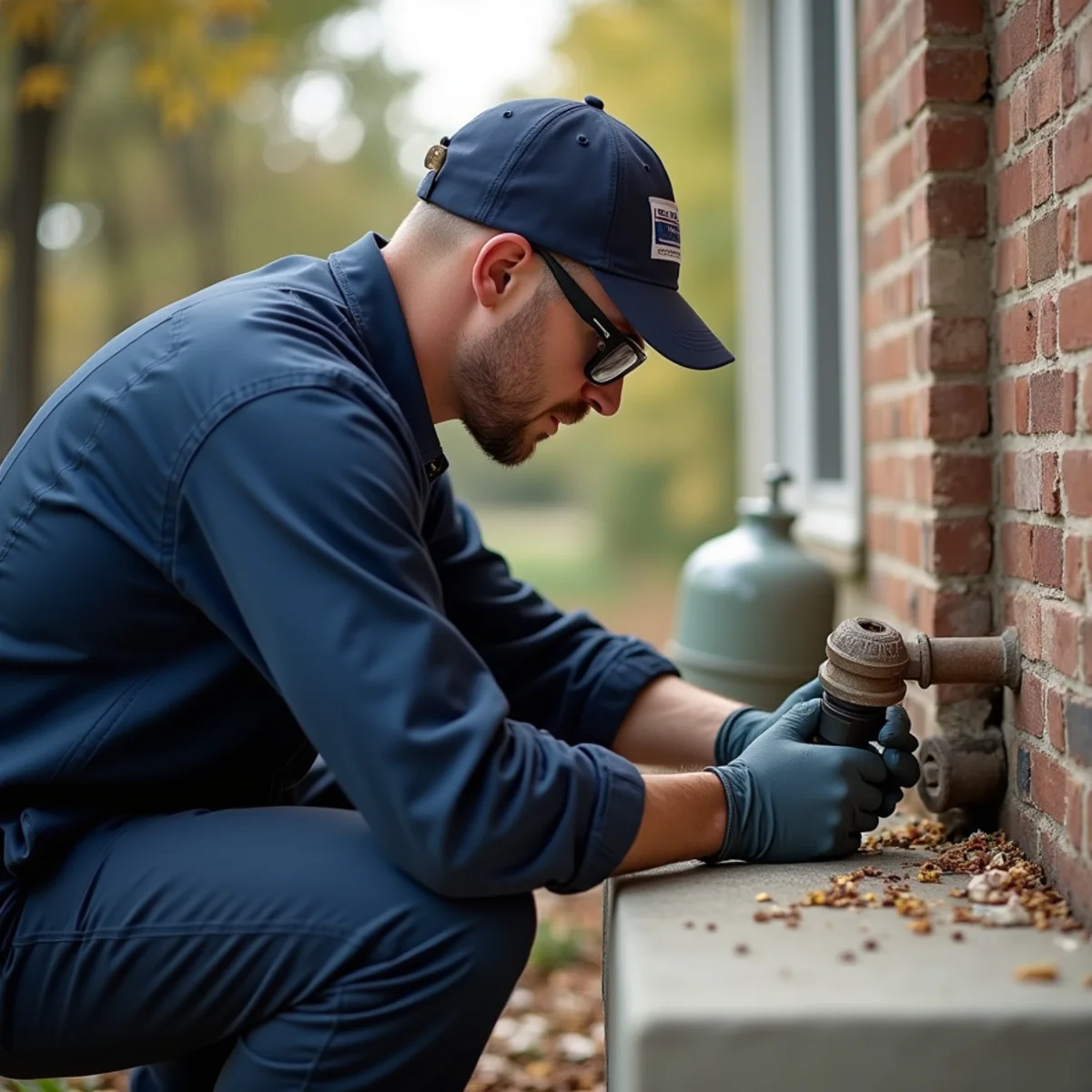
Locating the Hidden Freeze Fracture: Common Failure Points in South Suburban Homes
Pipes rarely burst in warm, centrally located living spaces; freeze ruptures almost universally occur in unconditioned, poorly insulated perimeter zones where sub-zero exterior air penetrates the building envelope. In Chicago South Suburban homes—including 1950s ranches in Park Forest, split-levels in Hazel Crest, and brick two-stories in Homewood—vulnerable freeze locations follow predictable architectural patterns. Prime risk zones include crawl spaces lacking perimeter foundation insulation, exterior wall cavities behind kitchen sinks, unheated attached garages, cantilevered second-story floor overhangs, and perimeter rim joist cavities where floor framing sits atop concrete foundation walls. When searching for a freeze fracture, listen carefully for the hissing sound of pressurized water escaping behind walls, look for discoloration or bubbling on painted drywall, inspect basement ceiling joists beneath exterior kitchens and bathrooms, and check exterior spigots that were left connected to garden hoses over the winter.
Safe Thawing Procedures: What You Must Never Do to a Frozen Line
If you detect frozen pipes where water is not flowing but the pipe has not yet visibly ruptured, improper thawing techniques can rapidly trigger catastrophic fractures or ignite deadly house fires. Never use an open-flame blowtorch, propane heater, charcoal burner, or kerosene space heater to thaw frozen plumbing lines inside a building. Applying open flames to rigid copper piping generates intense localized heat that instantly vaporizes trapped ice into superheated steam. Because ice plugs on either side trap the expanding steam, explosive hydraulic pressures build rapidly, blowing the pipe apart with tremendous force. Furthermore, open flames effortlessly ignite combustible wooden wall studs, dried pine framing, and paper-faced fiberglass insulation inside concealed wall cavities. Safe thawing methods include electric heat guns on moderate heat settings, standard household hair dryers, portable radiant ceramic space heaters placed at a safe distance, or wrapping frozen pipe sections in thick towels soaked in boiling water, always keeping the downstream faucet open to relieve pressure as ice melts.
Chicago Winter Freeze Dynamics: Sub-Zero Wind Chills and Soil Frost Depths
The winter climate in northern Illinois presents extreme thermal challenges for residential plumbing infrastructure. During polar vortex weather patterns, sustained sub-zero ambient temperatures combined with fierce 30-to-40-mph winds produce wind chill values dropping below minus 30 degrees Fahrenheit. These conditions drive cold air through microscopic fissures in siding, foundation vents, and electrical entry penetrations, creating targeted freeze jets that freeze copper water lines within hours. Furthermore, prolonged sub-zero cold waves freeze the ground down to normal regional frost depths of 42 to 48 inches below grade, chilling shallow subterranean water service lines where they penetrate basement walls. In older homes constructed prior to modern thermal envelope codes, uninsulated plumbing chases inside exterior walls act as thermal chimneys, drawing arctic air directly across domestic piping networks.
Temporary Emergency Containment vs. Permanent Plumbing Restoration
While waiting for an emergency plumbing contractor to arrive on site, implementing temporary water containment can significantly reduce interior structural damages. If a small hairline crack or pinhole freeze fracture is accessible on an exposed copper or galvanized pipe, applying a heavy-duty rubber gasket secured with an adjustable stainless steel hose clamp or commercial pipe repair clamp can temporarily stem the flow if water must be restored briefly for basic sanitation. Alternatively, wrapping the split pipe tightly with specialized self-fusing silicone repair tape provides a short-term barrier. However, these are strictly temporary stopgaps. Once on site, a licensed plumbing technician will excise the ruptured pipe section using specialized tubing cutters, assess adjacent copper fittings for microscopic fatigue cracks caused by freeze expansion, and solder in new seamless Type L copper tubing or install flexible PEX-A piping that can expand up to three times its diameter without bursting.
Essential Insurance Documentation: Creating a Clear Proof Record
The initial sixty minutes following a burst pipe emergency represent the most critical window for insurance claim documentation. Before beginning aggressive water extraction or discarding saturated building components, use your smartphone to capture extensive, high-resolution photographs and continuous video of all damaged property. Document water levels against baseboards, collapsed plaster ceilings, saturated carpets, warped hardwood flooring, water-damaged cabinetry, and close-up views of the ruptured pipe section showing the freeze fracture. Keep damaged pipe fragments and samples of ruined building materials in a safe location for the insurance adjuster's inspection. Maintain an organized log detailing emergency service arrival times, contractor invoices, and equipment rental fees. Contact your insurance carrier's 24-hour claims reporting line immediately to initiate a formal homeowner water damage claim, verifying whether your policy covers emergency mitigation and mold remediation services.
Preventative Freezeproofing Upgrades for South Suburban Properties
To permanently safeguard your home against recurring winter freeze emergencies, invest in engineered plumbing freezeproofing upgrades before freezing temperatures return. Replace all standard exterior hose spigots with quarter-turn frost-proof sillcocks featuring integral anti-siphon vacuum breakers, ensuring the shut-off seat sits ten to twelve inches deep inside the heated basement framing. Insulate all domestic water lines in crawl spaces, unheated basements, and exterior walls with thick closed-cell elastomeric foam tubing, sealing all longitudinal seams and mitered corner joints with vapor-barrier tape. For highly vulnerable exterior wall pipe runs, install thermostatically controlled, self-regulating electric heat trace cables that automatically modulate heat output as temperatures drop. Finally, consider retrofitting older rigid copper lines in perimeter chases with flexible PEX-A expansion tubing, which can expand elasticity during freeze events without rupturing.
Restoring Water Safely: The Controlled Re-Pressurization Checklist
Once plumbing repairs are complete and the burst pipe section has been replaced, repressurizing the domestic plumbing system must be executed with extreme caution to prevent secondary hydraulic damage. Never turn the main water shut-off valve from fully closed to fully open in a single swift motion. Rapidly flooding an empty plumbing network with 60 to 80 PSI of city water generates severe hydraulic shockwaves known as water hammer. These violent pressure surges can rupture weakened solder joints elsewhere in the house, dislodge mineral scale inside galvanized risers, blow out delicate toilet fill valves, and damage washing machine solenoid valves. To restore water safely, ensure all indoor faucets are turned off except for one laundry sink or bathtub faucet on the lowest level. Slowly open the main valve approximately one-quarter turn, listening for the gradual hissing of water filling the main trunk. Allow the lowest fixture to vent air and sputter until a steady stream flows, then open subsequent fixtures room by room, removing faucet aerators to flush out dislodged rust sediment.