
Immediate Diagnostic Triage: Identifying the Three Distinct Flood Sources
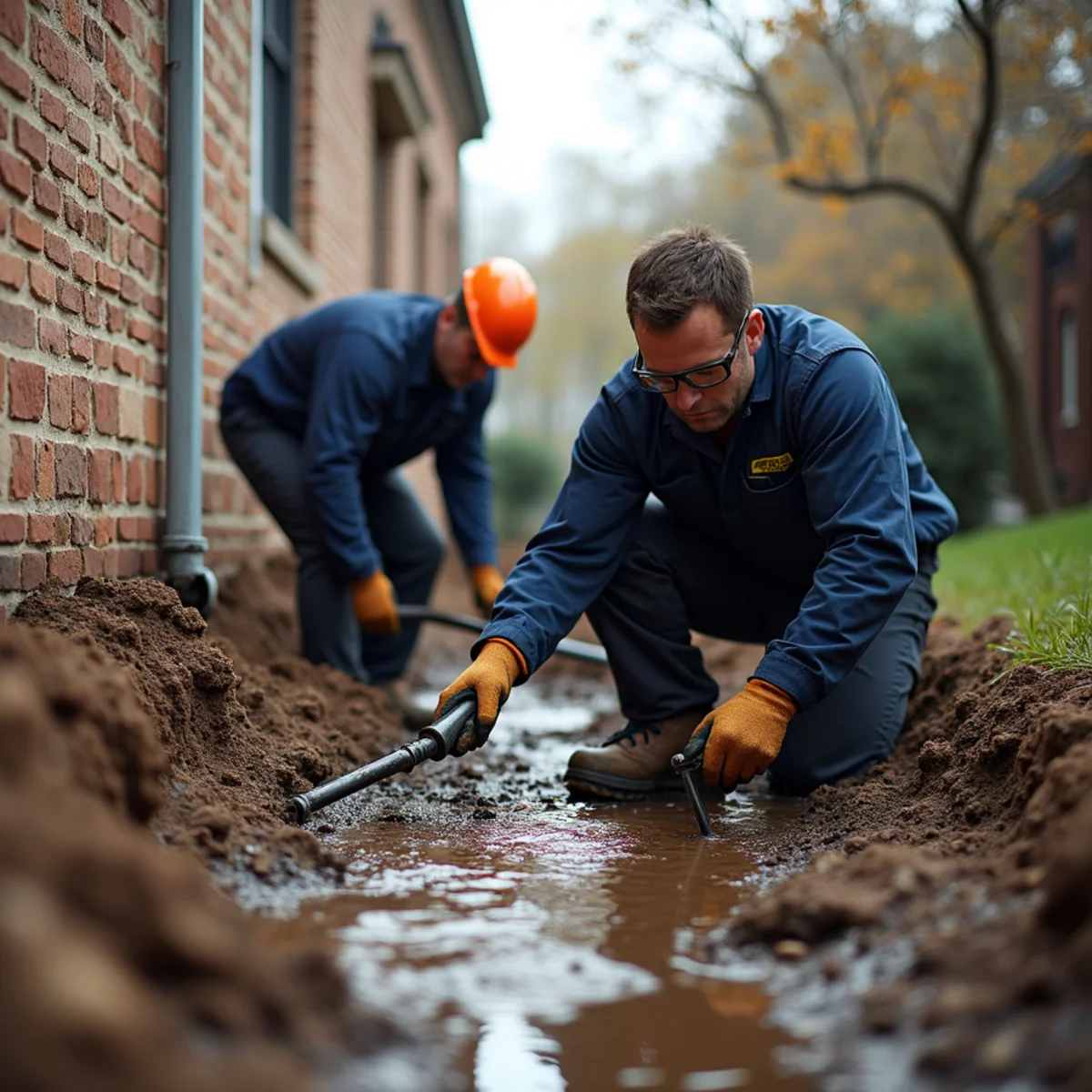
When you discover water in your basement following heavy rainfall, immediately inspect the entry point, water clarity, and odor to determine whether the flood originates from a surcharged sanitary sewer, an overflowing sump pump basin, or a pressurized domestic water pipe fracture. Differentiating between these three common failure modes within the first ten minutes is essential: each source presents radically different biological hazards, structural threats, and insurance implications. A sewer backup delivers hazardous blackwater containing dangerous pathogens, a sump pit failure brings muddy subterranean groundwater under hydrostatic pressure, and a domestic pipe failure discharges clean municipal tap water under continuous system pressure. Safely identifying the true mechanical source allows you to take immediate containment steps and dispatch the correct trade specialists. Before stepping onto a flooded basement floor, verify with a non-contact voltage tester that standing water has not become energized by submerged appliances, floor-level extension cords, or furnace junction boxes.

Source 1: Surcharged Sanitary Sewers & Combined Municipal Backups
If the floodwater in your basement is rising from the lowest floor drain, bubbling up out of a basement utility sink, or spilling from a lower-level toilet bowl, you are experiencing a sanitary sewer backup. This water is typically dark, murky, and carries a pungent sewage odor accompanied by floating particulate debris. In older Cook County municipalities, street sewers are combined, meaning a single large pipe conveys both residential sewage and street storm runoff. When cloudbursts overload municipal interceptors, street storm water creates hydraulic head pressure that drives untreated municipal wastewater backward through private sewer laterals into residential basements. Alternatively, if tree roots or calcified cooking grease have choked your private vitrified clay lateral, heavy domestic water usage during the storm backs up into the basement because it cannot escape toward the street main. In older South Suburban combined sewer districts, regional stormwater surges route into the MWRD interceptor network. When municipal trunk mains fill to hydraulic capacity, backwater pressure pushes street wastewater backward through house traps and floor drains.
Source 2: Groundwater Sump Pit Overflow & Foundation Hydrostatic Seepage
If the floodwater is pooling around the sump crock, spreading inward from the basement cove joint (the junction where the concrete floor slab meets the foundation wall), or trickling through vertical foundation wall cracks, the source is groundwater infiltration caused by extreme hydrostatic pressure. Groundwater is typically cool, relatively clear, or tinted with brown soil silt, and it lacks the strong rotten-egg sulfur odor of sanitary sewage. When the primary sump pump fails due to mechanical float switch hang-up, power loss, or motor burnout, water collecting in perimeter foundation drain tiles has nowhere to go. Hydrostatic pressure forces groundwater up through hairline slab cracks, unsealed expansion joints, and porous concrete blocks, flooding the basement floor with hundreds of gallons of exterior surface water. Hydrostatic water pressure beneath basement slabs can reach several thousand pounds of upward force per square foot. If the sump pump fails to relieve this head pressure, groundwater easily fractures concrete slabs along stress relief cuts.

Source 3: Pressurized Domestic Pipe Fractures & Water Service Failures
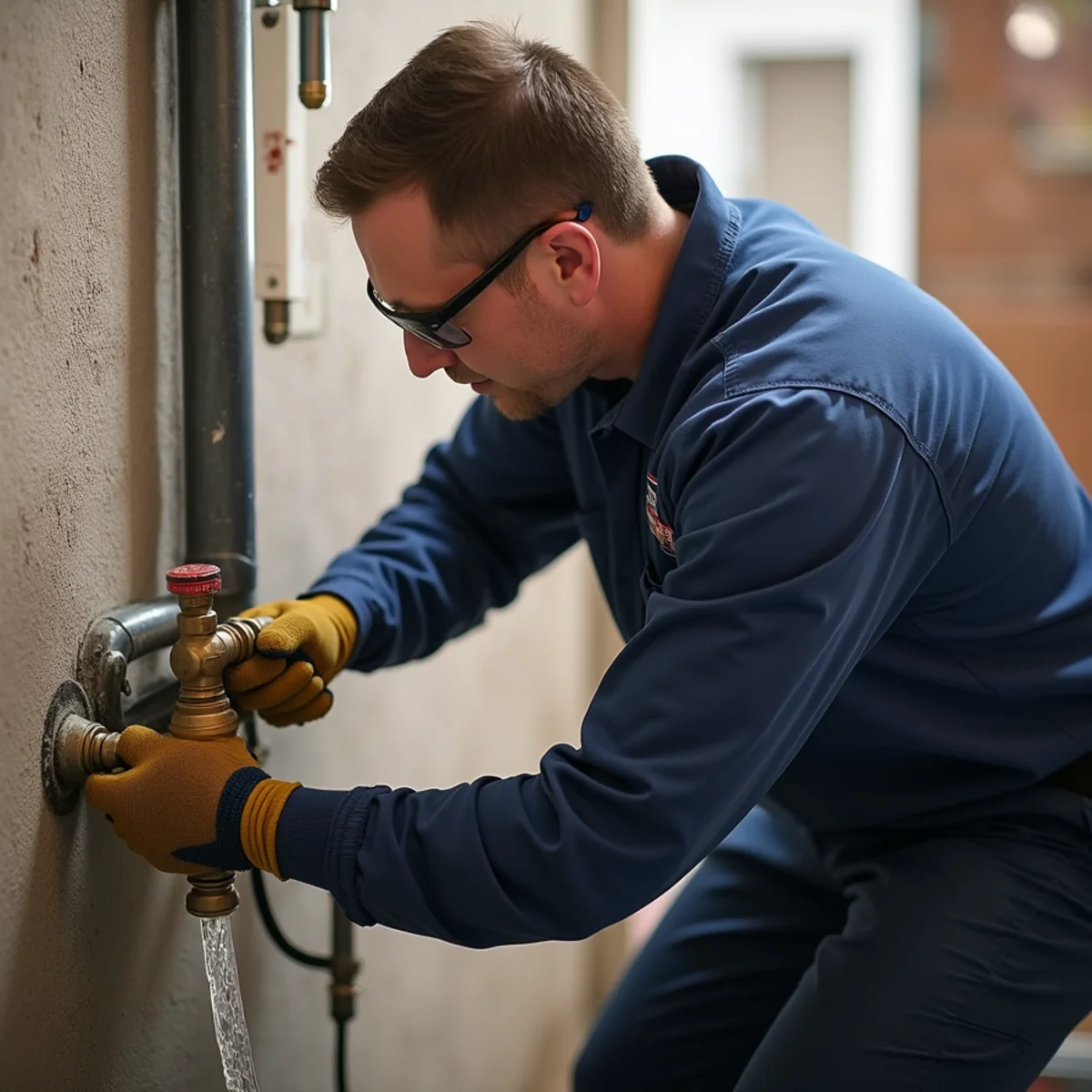
If the flooding is characterized by crystal-clear, odorless tap water that continues to pool even after rainfall has completely stopped, the source is a pressurized domestic water supply pipe or water heater failure. Rainstorms often coincide with rapid temperature fluctuations or electrical ground lightning strikes that can shock domestic water infrastructure. Furthermore, severe ground saturation causes expansive clay soils to shift, putting mechanical bending stresses on copper water service lines where they enter through foundation walls. Look for water spraying from overhead copper pipes, water streaming down interior finished walls, or water pooling directly around the base of your hot water heater tank due to a blown temperature and pressure (T&P) relief valve or corroded bottom weld. When domestic piping fails during a storm, the water meter will continue spinning even when all faucets are closed, providing a definitive diagnostic confirmation of a pressurized plumbing breach.

The Water Clarity & Odor Test: Distinguishing Clean, Grey, and Black Water
Professional water damage restoration standards classify floodwater into three distinct contamination categories based on biological and chemical hazards. Category 1 (Clean Water) originates from sanitary domestic water pipes, leaking supply lines, or melting ice; it poses no immediate biological threat if extracted within 24 to 48 hours. Category 2 (Grey Water) carries significant chemical or biological contaminants, originating from sump pump pit overflows, washing machine discharge, or dishwasher backups. Category 3 (Black Water) is grossly unsanitary, carrying human feces, toxic chemicals, and dangerous pathogens from sanitary sewer backups or river water flooding. If the water in your basement contains any fecal odor, dark discoloration, or came from a floor drain, treat it strictly as Category 3 blackwater: evacuate vulnerable family members, wear personal protective equipment, and never attempt DIY drying without commercial antimicrobial disinfection. Never use household bleach to clean porous materials contaminated with Category 3 blackwater; bleach merely bleaches surface staining without penetrating deep into drywall paper or wood framing to eradicate deep-seated fungal mycelium.
Chicago Southland Hydrology: Glacial Till, Perched Water Tables & Heavy Downpours
Understanding why South Suburban basements are particularly susceptible to storm flooding requires examining local subterranean soil mechanics. Southern Cook and northern Will counties are underlain by dense, clay-rich Wadsworth Till deposited during the late Wisconsin glaciation. This dense glacial clay has an extraordinarily low percolation rate, meaning rainwater cannot easily absorb into deep underground aquifers. Instead, heavy rainfall rapidly saturates topsoil layers, creating perched water tables just a few feet below the ground surface. This trapped groundwater creates immense hydrostatic pressure against below-grade residential structures. If exterior foundation grading slopes toward the house, or if gutters and roof downspouts discharge within five feet of the foundation, thousands of gallons of roof runoff funnel directly against basement walls, overwhelming weeping tiles and sump basins. The Butterfield Creek and Thorn Creek watersheds create shallow alluvial perched water tables throughout Flossmoor and Glenwood. Saturated glacial clays prevent water percolation, forcing surface runoff directly toward residential basement walls.
Foundation Perimeter Weeping Tiles & French Drain Inspection
Modern residential basement construction relies on perimeter drainage systems—commonly referred to as weeping tiles or French drains—installed alongside the concrete footings inside or outside the foundation walls. In older South Suburban homes built in the 1950s and 1960s, these tiles consist of one-foot sections of porous clay pipe or perforated bituminous fiber pipe. Over decades of service, fine clay silt, iron ochre sludge, and root filaments infiltrate these underground tiles, creating severe flow restrictions. When heavy rainfall drives groundwater toward the footing, blocked weeping tiles cannot convey water to the sump basin. Water accumulates along the foundation perimeter, building hydraulic head pressure until it forces its way through the cold joint between the foundation wall and footing, entering the basement as cove joint seepage.
Sump Basin Sizing & Discharge Pipe Obstruction Hazards
Even a fully functional sump pump will fail to protect your basement if the sump crock is undersized or if the exterior discharge line becomes obstructed. A standard eighteen-inch plastic sump crock holds approximately twenty-five gallons of water. During torrential downpours in clay-heavy South Suburban soils, inflow can exceed thirty-five gallons per minute, requiring continuous pump cycling that rapidly overheats small 1/3-HP motors. Furthermore, exterior discharge pipes routed across lawns frequently suffer from mechanical obstructions: lawnmowers crush thin corrugated pipes, autumn leaves clog pop-up relief emitters, or winter ice freezes discharge outlets solid. When the discharge pipe is blocked, the pump runs continuously against a closed head, unable to evacuate water, until the motor burns out and the crock overflows.
Permanent Engineering Remedies: Overhead Sewers, Backwater Valves & Dual Pumps
Permanently ending basement flooding requires tailored mechanical and structural upgrades matched to the specific failure mechanism. If the flood was caused by municipal sewer surcharge, installing an engineered overhead sewer system provides the ultimate permanent defense by elevating gravity exit lines above street surcharge levels and collecting basement waste in a sealed ejector basin. Alternatively, installing a commercial-grade backwater valve on the main building drain acts as a one-way check gate, closing automatically when municipal sewers back up. For groundwater seepage, replacing outdated weeping tiles with modern perforated PVC French drains bedded in washed CA-7 gravel, paired with a dual-pump cast iron sump system and high-capacity battery backup, ensures complete foundation flood protection. Many South Suburban municipalities—including Flossmoor and Homewood—offer residential flood protection rebate programs that subsidize 50% of the cost of installing overhead sewers, backwater valves, and exterior cleanouts.
Emergency Extraction, Drying Equipment & Structural Sanitization
Once the mechanical failure has been diagnosed and the flood source stopped, structural drying must commence within 24 to 48 hours to prevent toxic mold (such as Stachybotrys chartarum) from colonizing framing and drywall. Industrial truck-mounted water extractors and heavy-duty submersible trash pumps must remove standing water immediately. Saturated porous components—including carpet padding, baseboard trim, and drywall cut twelve inches above the waterline—must be demolished and removed. Poured concrete slabs and foundation walls must be pressure-washed and treated with EPA-registered hospital-grade antimicrobials. Finally, commercial high-velocity axial air movers paired with low-grain refrigerant (LGR) industrial dehumidifiers must run continuously until moisture meters verify that structural framing moisture has dropped below 15%.